
The Enchanted Garden: Exploring 7 Whimsical Design Styles to Transform Your Outdoor Oasis
Imagine stepping into a world where your backyard is no longer just a patch of grass and a few shrubs, but a living, breathing fairy tale. Whimsical garden designs turn ordinary outdoor spaces into extraordinary havens that spark joy, wonder, and a sense of escape. Whether you’re drawn to the playful charm of a cottage garden or the mystical allure of a fantasy-inspired landscape, there’s a whimsical style to suit every personality. These designs encourage creativity, celebrate nature, and invite you to play with color, texture, and form in ways that feel both magical and deeply personal.
Creating a whimsical garden isn’t about following rigid rules—it’s about letting your imagination run wild. It’s where a gnome peeks out from behind a toadstool, where winding paths lead to hidden nooks, and where every corner tells a story. The beauty of these designs lies in their ability to blend the unexpected with the familiar, creating spaces that feel both nostalgic and fresh. If you’ve ever dreamed of a garden that feels like it stepped out of a storybook, you’re in the right place. Let’s explore seven enchanting design styles that can transform your outdoor space into a true oasis of wonder.
The Cottage Garden: A Romantic Escape in Bloom
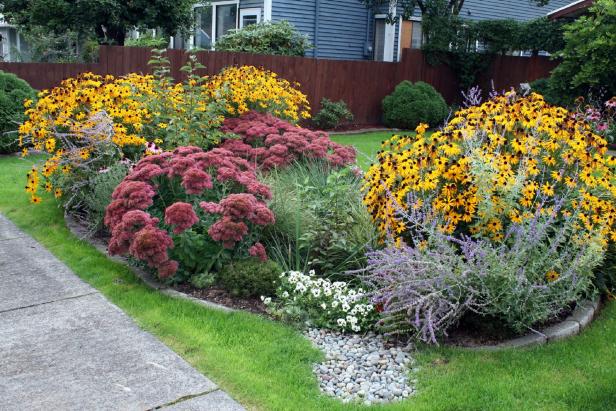
The cottage garden is the quintessential whimsical style, evoking images of quaint English villages and storybook cottages. This design style is all about soft, abundant plantings that overflow with color and texture, creating a sense of wild, untamed beauty. Unlike formal gardens that require meticulous pruning and structure, cottage gardens thrive on a relaxed, free-spirited approach. Think of towering hollyhocks, sprawling roses, and delicate lavender intermingled with herbs like rosemary and thyme. The goal is to create a garden that looks like it grew organically over time, with plants spilling over pathways and climbing trellises in a joyful chaos.
To achieve this look, start by selecting a mix of perennials and annuals that bloom at different times of the year, ensuring your garden remains vibrant from spring to fall. Layer plants by height, with tall flowers like delphiniums and foxgloves at the back, mid-height blooms like daisies and coneflowers in the middle, and low-growing plants like creeping thyme along the edges. Add rustic elements like wooden arbors, wrought-iron gates, and vintage-inspired containers to enhance the old-world charm. Don’t forget to include fragrant plants like jasmine and honeysuckle, which will fill your garden with a dreamy, intoxicating scent. The cottage garden is less about perfection and more about embracing the imperfect beauty of nature, making it a perfect choice for those who love a cozy, lived-in feel.
The Fairy Garden: Tiny Worlds Full of Magic
Fairy gardens are miniature wonderlands where tiny details create a sense of enchantment. These gardens are designed to look like they’ve been plucked straight from a fairy tale, complete with miniature houses, winding paths, and tiny furniture. The key to a successful fairy garden is scale—everything should be small enough to feel like it belongs to a world unseen by human eyes. Start with a container or a small section of your yard and build your landscape around it. Use materials like pebbles, moss, and bark to create natural-looking terrain, and incorporate miniature accessories like fairy doors, tiny benches, and miniature lanterns to bring the scene to life.
Plants play a crucial role in fairy gardens, so choose varieties that stay small and have a whimsical appeal. Miniature ferns, dwarf hostas, and creeping thyme work well for ground cover, while small flowering plants like baby’s tears and miniature roses add pops of color. You can also incorporate unusual elements like twisted roots, hollowed-out logs, and twisted branches to create a sense of age and mystery. Fairy gardens are incredibly versatile—they can be as simple or elaborate as you like, and they’re a fantastic project for gardeners of all ages. Whether you place it on a windowsill, a patio table, or nestled among larger plants in your garden, a fairy garden is sure to spark wonder and delight.
The Moonlit Garden: A Nocturnal Oasis of Light and Shadow
A moonlit garden is designed to glow under the soft light of the moon, creating an ethereal and romantic atmosphere. This style focuses on plants with silver, white, or pale foliage that reflect moonlight, as well as flowers that bloom at night or have a luminous quality. The goal is to create a garden that feels magical after dark, where shadows dance and the air is filled with the sweet scent of night-blooming flowers. To achieve this look, start by selecting plants that thrive in low light and have a silvery or white appearance. Some excellent choices include lamb’s ear, dusty miller, and white foxgloves. Add night-blooming plants like evening primrose, moonflower, and night-scented stock to ensure your garden comes alive after sunset.
Lighting is another crucial element in a moonlit garden. Instead of harsh, bright lights, opt for soft, diffused lighting that mimics moonlight. Use solar-powered fairy lights, lanterns, or LED candles to create a gentle glow. Place these lights along pathways, near water features, or tucked into the foliage to highlight specific plants. Water features, such as a small pond or a bubbling fountain, can also enhance the moonlit ambiance by reflecting light and creating soothing sounds. Consider adding reflective surfaces like mirrors or polished stones to amplify the effect. A moonlit garden is perfect for those who love the idea of spending evenings outdoors, wrapped in the quiet beauty of the night.
The Wildlife Garden: A Haven for Creatures Great and Small
A wildlife garden is a whimsical design style that celebrates the connection between humans and nature by creating a sanctuary for birds, bees, butterflies, and other creatures. This approach is not only enchanting but also ecologically beneficial, as it supports local ecosystems and promotes biodiversity. The key to a successful wildlife garden is to mimic natural habitats by incorporating a variety of plants, water sources, and shelter options. Start by selecting native plants that provide food and shelter for local wildlife. Choose a mix of trees, shrubs, perennials, and annuals to ensure year-round interest and sustenance for creatures. Some excellent native plants include milkweed for monarch butterflies, coneflowers for bees, and serviceberry for birds.
Water is essential in a wildlife garden, so consider adding a birdbath, a small pond, or even a shallow dish of water to attract visitors. Add elements like rocks, logs, and leaf litter to create hiding spots and nesting areas for insects and small animals. Avoid using pesticides and herbicides, as these can harm the very creatures you’re trying to attract. Instead, embrace the occasional nibbled leaf or aphid infestation as part of the natural cycle. A wildlife garden is a living, ever-changing canvas that will bring you joy as you watch it evolve and teem with life. It’s a reminder that whimsy isn’t just about beauty—it’s about fostering a deeper connection to the natural world.
The Fantasy Garden: Stepping Into a Storybook World
The fantasy garden is for those who want to escape into a world of imagination, where every corner holds a secret and every plant tells a tale. This style draws inspiration from myths, legends, and works of fantasy literature, transforming your garden into a place where dragons might hide in the shadows and fairies dance in the moonlight. To create a fantasy garden, start by choosing a theme—whether it’s inspired by a favorite book, a mythical creature, or a specific fantasy world. For example, you could design a “Hobbiton” garden with lush greenery, circular doors, and winding paths, or a “dark forest” garden filled with black roses, twisted branches, and eerie lighting.
Plants are the backbone of a fantasy garden, so select varieties that fit your chosen theme. Dark foliage plants like black mondo grass, purple smoke bush, and heuchera can create a moody, enchanted atmosphere, while bright, unusual flowers like black bat flowers or white calla lilies add a touch of the otherworldly. Incorporate architectural elements like trellises, arches, and topiary to create structure and guide the eye. Add whimsical decorations like dragon figurines, crystal balls, or hand-painted signs to enhance the magical feel. Lighting is also key—use colored lights, lanterns, or flickering LED candles to set the mood. A fantasy garden is a playground for the imagination, where the only limit is your creativity.
The Mediterranean Garden: Sun-Kissed Whimsy with a Rustic Charm
The Mediterranean garden style brings the warmth and charm of the Mediterranean region to your backyard, creating a space that feels like a retreat to a sun-drenched villa. This design is characterized by drought-tolerant plants, warm color palettes, and rustic architectural elements that evoke the laid-back elegance of southern Europe. To achieve this look, start by selecting plants that thrive in hot, dry climates. Some excellent choices include lavender, rosemary, olive trees, and bougainvillea. These plants not only add beauty but also fill the air with intoxicating fragrances. Incorporate terracotta pots, wrought-iron furniture, and mosaic tiles to enhance the Mediterranean vibe.
The layout of a Mediterranean garden often features curved pathways, arched doorways, and shaded seating areas where you can relax and enjoy the ambiance. Use gravel or decomposed granite for pathways to create a rustic, natural look, and add a water feature like a small fountain or a reflecting pool to bring a sense of tranquility. Pergolas draped with grapevines or bougainvillea provide shade and add vertical interest, while potted plants in terracotta and clay add pops of color and texture. The Mediterranean garden is perfect for those who love a warm, inviting space that feels both exotic and familiar, where every sip of wine or bite of food is accompanied by the soothing sounds of rustling leaves.
The Modern Whimsical Garden: Sleek Lines with a Playful Twist
The modern whimsical garden blends contemporary design with playful elements, creating a space that feels both sophisticated and full of personality. This style is ideal for those who love clean lines, minimalist aesthetics, and a touch of the unexpected. To achieve this look, start with a structured layout featuring geometric shapes, straight pathways, and symmetrical plantings. Use materials like concrete, steel, and glass to create bold, modern hardscapes. Then, add whimsical touches to break up the rigidity and infuse the space with charm. This could include oversized planters, sculptural plants, or unexpected pops of color.
Plants in a modern whimsical garden should be carefully selected to complement the contemporary aesthetic while adding a sense of playfulness. Consider architectural plants like agave, yucca, or snake plants, which have striking forms that contrast beautifully with sleek hardscapes. Add bursts of color with annuals like petunias or calibrachoa, or incorporate unusual foliage plants like black mondo grass or variegated hostas. Lighting is also crucial in this style—use sleek, modern fixtures like path lights or uplights to highlight key features. Don’t be afraid to mix materials and textures, such as combining smooth concrete with rough stone or glossy ceramic with matte metal. The modern whimsical garden proves that whimsy doesn’t have to be chaotic—it can be both stylish and full of character.
Bringing Your Whimsical Garden to Life
No matter which whimsical garden style speaks to you, the most important thing is to have fun and let your personality shine through. Start small with a single feature—like a fairy garden or a moonlit corner—and expand your design over time. Experiment with plants, textures, and decorations until your outdoor space feels like a true reflection of your dreams. Remember, the magic of a whimsical garden lies in its imperfections and its ability to surprise and delight.
As you embark on this creative journey, don’t forget to involve friends and family. A whimsical garden is meant to be enjoyed by all, so invite others to explore its hidden corners, share stories, and create memories. Whether you’re sipping tea in your cottage garden, stargazing in your moonlit oasis, or spotting wildlife in your sanctuary, your enchanted garden will become a place of joy, wonder, and endless inspiration.
So go ahead—let your imagination run wild. Plant that unusual flower, add that quirky statue, or create a hidden pathway. Your outdoor oasis is waiting to be transformed into a magical retreat that feels uniquely yours. Happy gardening!