
Creative Ways to Keep Your Home Cozy and Energy-Efficient with Smart Insulation
Creating a cozy, energy-efficient home doesn’t have to mean sacrificing style or comfort. With smart insulation solutions, you can maintain a warm, welcoming atmosphere while reducing energy costs and minimizing your environmental footprint. Insulation plays a crucial role in regulating indoor temperatures, preventing drafts, and lowering heating and cooling expenses. However, traditional insulation methods often go unnoticed—until you feel the difference in your comfort and utility bills. By exploring creative and innovative insulation techniques, you can transform your home into a snug retreat that works harmoniously with modern technology and sustainable living. Below, we’ll dive into unique and practical ways to enhance your home’s insulation without compromising on aesthetics or functionality.
Why Smart Insulation Matters for Comfort and Savings
Proper insulation is the unsung hero of home efficiency. It acts as a thermal barrier, slowing the transfer of heat in and out of your home, which is especially important in extreme climates. Without adequate insulation, you may find yourself constantly adjusting the thermostat, leading to higher energy consumption and inflated bills. Smart insulation goes a step further by integrating advanced materials and technologies that respond to environmental conditions, improve air quality, and even integrate seamlessly with smart home systems. Beyond the practical benefits, a well-insulated home feels more comfortable—no chilly drafts, uneven temperatures, or noisy windows. It’s an investment that pays off in both comfort and long-term savings.
Moreover, energy-efficient homes contribute to a healthier planet by reducing greenhouse gas emissions. Governments and municipalities worldwide are offering incentives, rebates, and tax credits for homeowners who upgrade their insulation, making it an opportune time to explore these improvements. Whether you’re renovating an older home or building a new one, prioritizing smart insulation from the start ensures maximum efficiency and coziness.
Reimagining Traditional Insulation with Modern Techniques
Gone are the days when insulation meant bulky fiberglass batts stuffed into walls or attics. Today’s options are sleek, effective, and often invisible—until you experience the difference they make. Let’s explore some of the most innovative insulation materials and methods that blend seamlessly with contemporary home design while delivering superior performance.
Eco-Friendly and High-Performance Insulation Materials
Choosing the right insulation material is key to balancing efficiency, sustainability, and comfort. Here are some of the most cutting-edge and eco-conscious options available:
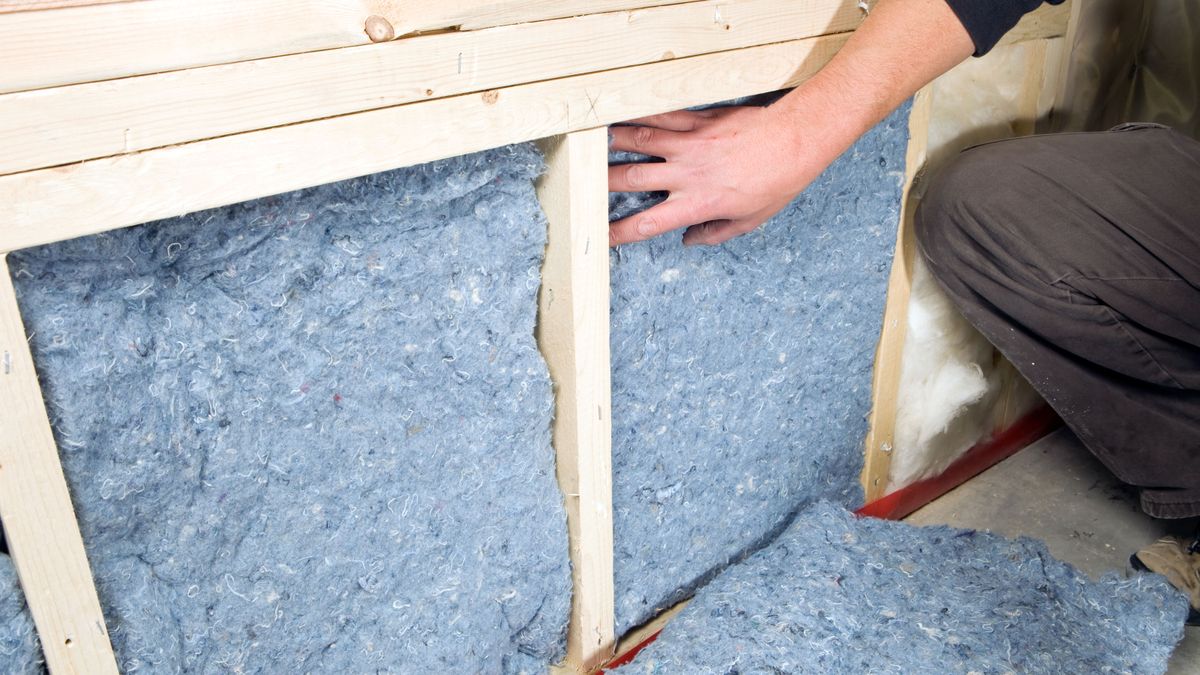
- Cellulose Insulation: Made from recycled newspaper and treated with non-toxic borate compounds, cellulose is an excellent choice for eco-conscious homeowners. It’s dense, reducing airflow and providing superior soundproofing. Cellulose can be blown into wall cavities, attics, and even existing walls, making it ideal for retrofits.
- Sheep’s Wool Insulation: A natural and renewable resource, wool insulation regulates temperature and humidity, creating a healthier indoor environment. It’s also fire-resistant and free from harmful chemicals, making it safe for families and pets. Wool batts can be used in walls, floors, and roofs.
- Aerogel Insulation: Often called “frozen smoke” due to its ethereal appearance, aerogel is one of the most effective insulators available. It’s incredibly thin yet provides high thermal resistance, making it perfect for tight spaces like window frames or historic homes where preserving original features is important.
- Recycled Denim or Cotton Insulation: Made from post-consumer recycled textiles, these insulation types are safe, non-toxic, and great for reducing waste. They’re easy to install and provide excellent thermal and acoustic performance, making your home both cozy and quiet.
- Spray Foam Insulation: While not as eco-friendly as natural options, spray foam offers unmatched air-sealing properties. It expands to fill gaps, cracks, and voids, creating a continuous thermal barrier. Closed-cell spray foam is particularly effective in humid climates, as it also acts as a moisture barrier.
Innovative Insulation Applications
Beyond the material itself, how and where you apply insulation can make a significant impact. Creative application methods can enhance both efficiency and aesthetics while addressing common pain points in home insulation.
- Insulated Window Treatments: Thermal curtains, cellular shades, and insulated blinds are simple yet effective ways to reduce heat loss through windows. These treatments trap air between layers, acting as an additional insulation barrier. Smart versions can be programmed to open and close based on sunlight or temperature, further optimizing energy use.
- Thermal Wallpaper: A newer innovation, thermal wallpaper contains insulating materials like aerogel or phase-change materials that help regulate room temperature. It’s an unobtrusive way to add insulation to walls without the mess of traditional methods, and it’s available in a variety of designs to suit any decor.
- Radiant Barrier Insulation: Often used in attics, radiant barriers reflect radiant heat away from the home, keeping it cooler in summer. They’re typically made from reflective foil and can be installed under roofing or on attic floors. This method works best in hot climates but can also help retain heat in winter when combined with other insulation types.
- Floor Insulation: Many homes lose heat through uninsulated floors, especially in older constructions or homes with crawl spaces. Insulating beneath floorboards using materials like cork, rigid foam, or even recycled rubber can drastically improve warmth and reduce energy costs. For a cozy touch, consider installing heated floors on top of insulated subflooring.
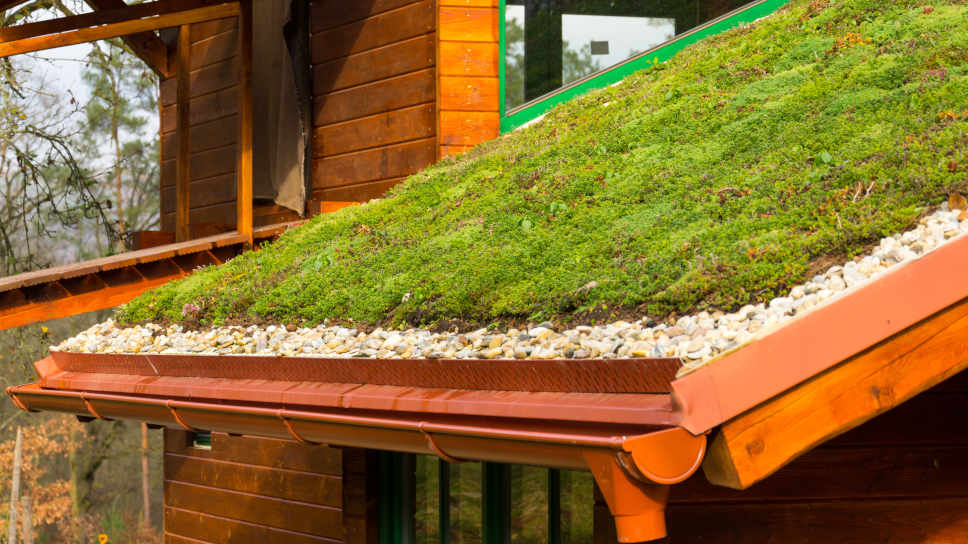
- Green Roofs and Living Walls: For the ultimate in sustainable living, green roofs and walls provide natural insulation while promoting biodiversity. A green roof consists of a layer of vegetation planted over a waterproof membrane, which insulates the home in both summer and winter. Living walls offer similar benefits indoors, improving air quality and reducing heat loss through walls.
Smart Home Integration: Insulation Meets Technology
The rise of smart home technology has opened new avenues for making insulation more effective and user-friendly. By combining traditional insulation methods with intelligent systems, you can achieve unparalleled control over your home’s climate, energy use, and comfort. These innovations not only enhance insulation performance but also provide real-time data to help you optimize efficiency.
Smart Thermostats and Insulation Monitoring
Smart thermostats like Nest, Ecobee, and Honeywell are designed to work in tandem with your home’s insulation to maximize energy savings. These devices learn your habits, adjust temperatures automatically, and even detect drafts or areas where insulation may be lacking. Some advanced models integrate with sensors placed in walls or attics to monitor temperature fluctuations and humidity levels, alerting you to potential insulation gaps or moisture issues before they become serious problems.
For example, if your attic insulation is thinning in certain areas, a smart thermostat paired with temperature sensors can identify cold spots and prompt you to add more insulation or seal gaps. This proactive approach ensures your home remains cozy without overworking your heating system.
Automated Window and Door Sealing
Drafty windows and doors are notorious for undermining insulation efforts. Smart home solutions can help eliminate these issues with minimal effort. Motorized weatherstripping and automated door sweeps can be programmed to seal gaps when temperatures drop or when you leave the house. Some systems even integrate with smart locks and security cameras to ensure doors and windows are properly closed when you’re away.
Additionally, smart window sensors can detect when windows are left open, triggering alerts or automatically closing them via motorized tracks. These small but impactful technologies work silently in the background to maintain your home’s thermal envelope, reducing energy waste and improving comfort.
AI and Machine Learning for Energy Optimization
Artificial intelligence is taking home energy management to the next level. AI-powered systems analyze your home’s insulation performance, weather patterns, and energy usage to create personalized efficiency strategies. For instance, machine learning algorithms can predict when to preheat your home based on your schedule and outdoor temperatures, ensuring optimal comfort while minimizing energy consumption.
Some companies offer AI-driven insulation audits, where thermal cameras and sensors scan your home to identify weak points in your insulation. The system then provides tailored recommendations for upgrades or adjustments, making it easier than ever to create a fully optimized, energy-efficient home.
DIY and Budget-Friendly Insulation Hacks
Not all insulation upgrades require a significant investment or professional installation. With a bit of creativity and elbow grease, you can implement several budget-friendly solutions to enhance your home’s coziness and efficiency. These hacks are perfect for renters, DIY enthusiasts, or anyone looking to make a quick but impactful change.
Sealing Gaps and Drafts on a Budget
Drafts are one of the biggest culprits of energy loss, and sealing them is one of the most cost-effective ways to improve insulation. Here are some simple and affordable methods to tackle drafts:
- DIY Weatherstripping: Use adhesive foam tape, V-strip, or door sweeps to seal gaps around windows and doors. These materials are inexpensive and easy to install with just a pair of scissors and a little patience. For a more permanent solution, consider replacing old weatherstripping with high-quality silicone or rubber options.
- Caulking Cracks: Inspect your home for cracks in walls, baseboards, and around pipes. A tube of silicone or latex caulk can seal these gaps for under $10, preventing drafts and pests from entering. Focus on areas where different materials meet, such as window frames and electrical outlets.
- Draft Stoppers: A draft stopper, or “sausage dog,” is a long fabric tube filled with sand or rice that you place at the base of doors to block drafts. You can make one yourself using old fabric or repurposed materials like jeans or towels. For a more polished look, purchase a decorative draft stopper that matches your home’s aesthetic.
- Window Film: Clear plastic window insulation kits are affordable and easy to apply. They create an airtight seal over windows, reducing heat loss by up to 50%. While they may slightly reduce visibility, they’re a temporary solution that can be removed when temperatures rise.
Upcycling Materials for Insulation
If you’re passionate about sustainability, upcycling everyday items into insulation can be a fun and rewarding project. While these materials may not replace traditional insulation entirely, they can supplement your efforts and reduce waste. Here are a few creative ideas:
- Old Blankets or Towels: Thick blankets or towels can be stuffed into gaps in walls, under floors, or around windows to provide temporary insulation. While not as effective as professional materials, they can make a noticeable difference in drafty areas.
- Cardboard Boxes: Flattened cardboard boxes can be used as insulation in attics or basements. While they won’t provide the same R-value as specialized insulation, they can help reduce airflow and add an extra layer of thermal resistance. Crumpled cardboard can also be used to fill gaps in crawl spaces.
- Bubble Wrap: Believe it or not, bubble wrap can be an effective (and fun) way to insulate windows. Simply tape a layer of bubble wrap to the glass with the bubbles facing inward. It creates an insulating air layer that reduces heat loss. For a more polished look, use double-sided tape and trim the edges for a cleaner finish.
- Denim or Fabric Scraps: If you have leftover fabric from sewing projects, consider using it to create insulation panels for walls or floors. Layer the fabric tightly and secure it with a breathable backing to prevent mold growth. This method is best for small areas or as a supplement to other insulation types.
Designing for Coziness: Aesthetic Insulation Solutions
Who says insulation has to be hidden behind drywall or in the attic? With a little creativity, you can integrate insulation into your home’s design in ways that enhance both comfort and style. These aesthetic solutions prove that functionality and beauty can coexist, turning your home into a cozy sanctuary that reflects your personality.
Stylish Insulation Displays: When Form Meets Function
Insulation doesn’t have to disappear into the background. By incorporating insulation into visible elements of your home, you can create unique design features while improving energy efficiency. Here are some ways to blend insulation with style:
- Exposed Insulation Walls: In loft-style homes or modern interiors, leaving insulation exposed can create a raw, industrial aesthetic. Materials like sheep’s wool or recycled denim can be used in walls, painted or left in their natural state for a textured look. Pair with minimalist décor for a chic, eco-friendly vibe.
- Bookshelf or Cabinet Insulation: If you have built-in bookshelves or cabinets, use the space between the wall and the unit to add insulation. This not only improves thermal performance but also creates a seamless look. You can even line the back of bookshelves with insulation panels for added warmth.
- Decorative Wall Panels: Thermal wall panels made from materials like cork or wood fiber can double as insulation while adding warmth to your space. These panels come in various textures and colors, allowing you to customize their appearance to match your décor. Install them in living rooms, bedrooms, or hallways for a subtle yet effective insulation boost.
- Insulated Headboards: For a cozy bedroom retreat, consider an insulated headboard. Materials like memory foam or wool batting can be encased in fabric to create a stylish and functional headboard that also helps regulate room temperature. Choose a design that complements your bedding for a cohesive look.
Cozy Textiles and Layered Insulation
Textiles play a crucial role in making a home feel warm and inviting. By layering insulated fabrics and materials, you can create a cocoon-like atmosphere that’s both energy-efficient and visually appealing. Here’s how to incorporate textiles into your insulation strategy:
- Thick Area Rugs: A plush area rug adds a layer of insulation to hard floors, reducing heat loss and making rooms feel cozier. Opt for rugs with a dense weave or those made from wool, which naturally insulates. For extra warmth, layer rugs over radiant floor heating systems.
- Thermal Throw Blankets: Keep a stack of thermal blankets in your living room or bedroom to snuggle up on chilly evenings. These blankets are made from materials like fleece or flannel, which trap heat close to the body. They’re an affordable way to add warmth without relying solely on heating systems.
- Insulated Curtains and Duvets: Layer your windows with thermal curtains and your bed with a high-fill duvet to create pockets of warmth. Thermal curtains can reduce heat loss through glass by up to 25%, while a well-insulated duvet ensures a cozy night’s sleep. Choose fabrics like velvet or thick cotton for added insulation.
- Upholstered Furniture: Sofas, armchairs, and ottomans with thick upholstery provide an extra layer of insulation. The padding traps heat, making seating areas feel warmer. Look for furniture with removable covers that can be washed or swapped out seasonally for optimal comfort.
Maintenance and Long-Term Insulation Strategies
Even the best insulation won’t last forever. Over time, materials can degrade, settle, or become less effective due to wear and tear, moisture, or pest activity. Regular maintenance and proactive strategies can extend the lifespan of your insulation and ensure your home remains cozy and energy-efficient for years to come. Here’s how to keep your insulation in top condition.
Regular Inspections and Upkeep
Schedule annual inspections of your home’s insulation to check for signs of damage or inefficiency. Focus on areas prone to issues, such as attics, basements, and crawl spaces. Here’s what to look for:
- Moisture Damage: Insulation that’s damp, moldy, or musty needs to be replaced immediately. Moisture reduces insulation effectiveness and can lead to structural damage or health issues. Use a dehumidifier in damp areas and ensure proper ventilation to prevent future problems.
- Settling or Compression: Over time, some insulation materials (like fiberglass batts) can settle or compress, creating gaps that allow heat to escape. Check for areas where insulation appears thin or uneven, and top up as needed.
- Pest Activity: Rodents and insects are attracted to insulation materials, especially organic ones like cellulose or wool. Inspect for droppings, nests, or chewed areas, and address pest issues before they compromise your insulation.
- Air Leaks: Even with insulation, air leaks around electrical outlets, pipes, or vents can undermine your efforts. Seal these gaps with caulk, spray foam, or weatherstripping to maintain a tight thermal envelope.
Seasonal Adjustments for Optimal Performance
Your home’s insulation needs may change with the seasons. While insulation is designed to work year-round, adjusting your approach can enhance comfort and efficiency. Here are some seasonal tips:
- Winter: Focus on sealing drafts and adding extra layers to windows and doors. Use thermal curtains to block cold air at night and open them during the day to let sunlight warm your home naturally. Ensure your attic insulation is thick enough to prevent heat loss through the roof.
- Spring: Inspect insulation for any damage caused by winter moisture or pests. Clean gutters and downspouts to prevent water from seeping into walls or attics. Consider adding insulation to exterior walls if your home feels drafty in cooler evenings.
- Summer: Prevent heat gain by closing blinds or curtains during the day and using reflective window films. Ensure your attic has proper ventilation to reduce heat buildup, which can affect your insulation’s performance. If you have a green roof or living wall, ensure it’s well-maintained to maximize its cooling benefits.
- Fall: Prepare your home for colder weather by checking your heating system and ensuring it’s working efficiently. Add weatherstripping to exterior doors and windows before temperatures drop. If you’re using portable heaters, keep them away from insulation to prevent fire hazards.
Professional Upgrades and When to Call an Expert
While many insulation improvements can be DIY projects, some situations require professional expertise. Knowing when to call an expert can save you time, money, and potential headaches. Here are scenarios where professional help is recommended:
- Major Renovations: If you’re remodeling or adding an extension, consult an insulation specialist to ensure your home meets modern energy efficiency standards. Professionals can recommend the best materials and techniques for your specific needs.
- Knob-and-Tube Wiring: Older homes with knob-and-tube wiring may have insulation installed around or over the wires, which is a fire hazard. An electrician and insulation expert can safely remove or replace this wiring while upgrading your insulation.
- Spray Foam Application: While DIY spray foam kits are available, professional installation ensures even coverage and proper curing. Improper application can lead to gaps, odors, or structural issues, so it’s best to hire a certified contractor for large-scale projects.
- Mold Remediation: If your insulation is moldy, a professional remediation service can safely remove and replace it while addressing the underlying moisture issue. DIY removal can release spores into the air, posing health risks.
- Radiant Floor Heating: Installing radiant floor heating requires precision to ensure even heat distribution and compatibility with your flooring. A professional can design and install a system that works harmoniously with your insulation.
Final Thoughts: Your Cozy, Energy-Efficient Home Awaits
Transforming your home into a cozy, energy-efficient sanctuary is within reach, thanks to smart insulation solutions that blend innovation, sustainability, and style. Whether you opt for high-tech materials like aerogel, embrace DIY hacks, or integrate insulation into your home’s design, every step brings you closer to a space that’s warm, welcoming, and gentle on the planet. Remember, the key to success lies in a combination of proper materials, strategic placement, and ongoing maintenance. By prioritizing insulation, you’re not just improving your home’s comfort—you’re making a long-term investment in your well-being and the environment.
Start small with draft-proofing and textile layers, or go all-in with a full home insulation upgrade. Either way, the results will speak for themselves: lower energy bills, a reduced carbon footprint, and a home that feels like a true retreat. So, roll up your sleeves, get creative, and embark on the journey to a cozier, more efficient home—one smart insulation solution at a time.