
10 Enchanting Garden Design Plans to Transform Your Outdoor Space
Creating a beautiful garden isn’t just about planting flowers—it’s about crafting a living masterpiece that reflects your personality, enhances your home’s curb appeal, and offers a tranquil retreat. Whether you have a sprawling backyard or a cozy balcony, the right garden design can turn even the smallest outdoor space into a magical escape. From lush cottage gardens to sleek modern landscapes, the possibilities are endless. Below, we explore ten enchanting garden design plans that will inspire you to transform your outdoor space into a haven of beauty and serenity.
1. The Classic Cottage Garden
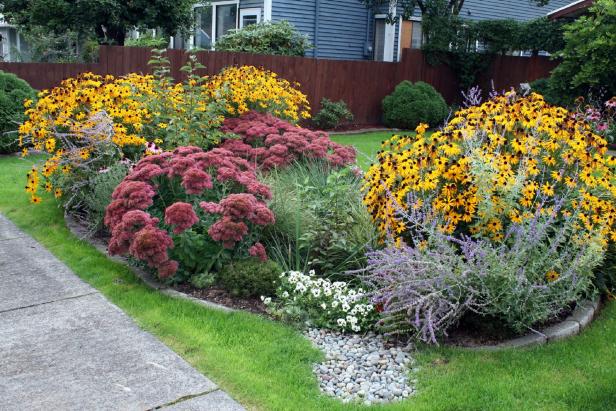
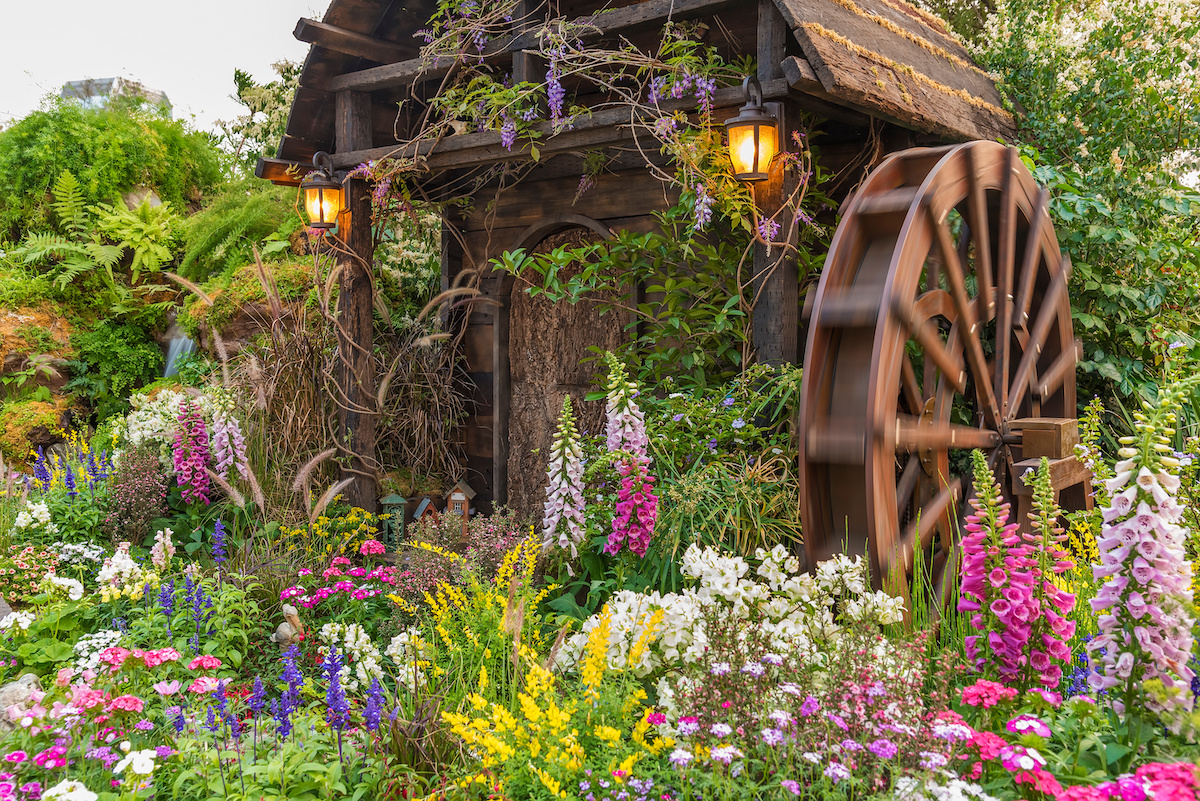
The cottage garden is a timeless design that exudes charm and nostalgia. This style is characterized by an informal, overflowing abundance of flowers, herbs, and climbing plants, often without strict borders. Think of it as a garden straight out of a storybook, where every corner is alive with color and texture.
- Key Features: Dense planting, mixed perennials, climbing roses, lavender, foxgloves, and hollyhocks.
- Layout: Curved pathways, informal clusters of plants, and rustic elements like wooden arbors or stone benches.
- Best For: Gardeners who love a relaxed, romantic aesthetic and don’t mind a slightly wild, untamed look.
To achieve this look, start with a mix of perennials that bloom at different times, ensuring year-round interest. Add height with climbing plants on trellises or fences, and don’t forget to include fragrant herbs like rosemary or thyme for sensory appeal.
2. Modern Minimalist Garden
If your taste leans toward clean lines, simplicity, and functionality, a modern minimalist garden might be the perfect fit. This design emphasizes open spaces, geometric shapes, and a limited color palette, creating a sleek and sophisticated outdoor area. The focus is on creating a sense of calm and order, with every element serving a purpose.
- Key Features: Monochromatic color scheme, straight lines, concrete or gravel pathways, architectural plants like agave or ornamental grasses.
- Layout: Symmetrical or asymmetrical patterns, raised planters, and minimalist furniture.
- Best For: Urban dwellers or those who prefer a contemporary, low-maintenance garden.
To bring this design to life, choose plants with bold shapes or striking foliage, such as snake plants or Japanese maples. Incorporate materials like concrete, metal, and glass to enhance the modern aesthetic. Lighting plays a crucial role too—opt for minimalist outdoor lights to highlight key features without overwhelming the space.
3. Japanese Zen Garden
Inspired by traditional Japanese gardens, this design is all about harmony, balance, and tranquility. A Japanese Zen garden, or “karesansui,” is a dry landscape garden that uses rocks, sand, and carefully pruned plants to create a meditative space. It’s a perfect retreat for mindfulness and relaxation.
- Key Features: Raked sand or gravel, carefully placed stones, pruned bonsai trees, and moss.
- Layout: Asymmetrical arrangements, meandering pathways, and a central focal point like a lantern or a small water feature.
- Best For: Those seeking a peaceful, reflective outdoor space that encourages mindfulness.
Start by selecting a few large rocks or boulders to serve as the garden’s foundation. Use a rake to create patterns in the sand or gravel, mimicking the flow of water. Incorporate evergreen plants like Japanese maples or azaleas for year-round greenery, and add a small bamboo fountain or water basin for a soothing sound.
4. Mediterranean Garden
Transport yourself to the sun-drenched coasts of Southern Europe with a Mediterranean-inspired garden. This design is all about warmth, color, and drought-tolerant plants that thrive in hot, dry climates. Think vibrant bougainvillea, olive trees, and fragrant herbs like lavender and rosemary.
- Key Features: Terracotta pots, climbing vines, aromatic herbs, and a color palette of blues, purples, and warm yellows.
- Layout: Terraced levels, curved pathways, and shaded seating areas with pergolas or awnings.
- Best For: Gardeners in warm climates or those who want to create a vacation-like atmosphere.
To achieve this look, focus on plants that are native to the Mediterranean region, such as lavender, thyme, and rosemary. Use terracotta pots and urns to add rustic charm, and incorporate a water feature like a small fountain or a reflecting pool. Add a pergola draped with wisteria or grapevines for shade and ambiance.
5. Wildflower Meadow Garden
For a garden that feels like a slice of untamed nature, consider a wildflower meadow. This design celebrates biodiversity, attracting pollinators like bees and butterflies while providing a low-maintenance, ever-changing landscape. It’s a fantastic choice for those who love the idea of a garden that grows and evolves with the seasons.
- Key Features: Native wildflowers, tall grasses, and a natural, unmanicured look.
- Layout: Large open areas with scattered plantings, minimal pathways, and no rigid borders.
- Best For: Eco-conscious gardeners who want to support local wildlife and reduce maintenance.
Start by selecting a mix of native wildflower seeds that are suited to your climate. Choose a sunny spot with well-drained soil, and avoid using pesticides or fertilizers. Let the garden grow naturally, and enjoy the seasonal blooms and the buzz of pollinators throughout the year.
6. Tropical Paradise Garden
Bring the lush, vibrant energy of the tropics to your backyard with a tropical garden. This design is all about bold foliage, bright colors, and a sense of adventure. Think towering palm trees, exotic birds of paradise, and splashes of red and orange from hibiscus and bromeliads.
- Key Features: Large, glossy leaves, vibrant flowers, water features, and a dense, layered planting style.
- Layout: Curved pathways, layered planting (tall plants in the back, medium in the middle, and low plants in the front), and a central water feature.
- Best For: Those who live in warm climates or are willing to create a microclimate with greenhouses or large containers.
To create a tropical feel, focus on plants with dramatic foliage, such as monstera, bird of paradise, or canna lilies. Incorporate a water feature like a pond or a small waterfall to add a sense of tranquility. Use bright, bold colors in your pots and furniture to enhance the exotic vibe.
7. English Country Garden
The English country garden is a beloved style that combines elegance with a sense of whimsy. This design features a mix of formal elements—like neatly trimmed hedges and geometric pathways—with informal touches, such as climbing roses and overflowing flower beds. It’s a garden that feels both grand and inviting.
- Key Features: Rose arches, lavender borders, topiary, and a mix of annuals and perennials.
- Layout: Symmetrical garden rooms divided by hedges or pathways, with a central focal point like a sundial or a fountain.
- Best For: Those who love a romantic, picturesque garden with a touch of formality.
Start by creating distinct garden “rooms” using hedges or trellises. Plant climbing roses or clematis on arches to define pathways, and fill borders with a mix of perennials like peonies, delphiniums, and foxgloves. Add a classic feature like a stone bench or a birdbath to complete the look.
8. Desert Garden
For those in arid climates or who prefer a low-water, low-maintenance garden, a desert garden is an excellent choice. This design showcases the beauty of succulents, cacti, and other drought-tolerant plants, creating a striking landscape that thrives in dry conditions.
- Key Features: Succulents, cacti, gravel or decomposed granite pathways, and a minimalist color palette of greens, blues, and browns.
- Layout: Geometric patterns, raised planters, and open spaces to mimic the natural desert environment.
- Best For: Gardeners in hot, dry climates or those who want a sustainable, water-wise garden.
Choose a variety of succulents and cacti, such as agave, aloe, or barrel cactus, to create texture and interest. Use gravel or decomposed granite for pathways and mulch to retain moisture. Add a few ornamental grasses or yuccas for height, and incorporate a dry stream bed with smooth stones to enhance the desert aesthetic.
9. Formal French Garden
Inspired by the grand gardens of Versailles, a formal French garden is all about symmetry, order, and grandeur. This design features meticulously trimmed hedges, geometric patterns, and grand pathways, creating a garden that feels like a work of art. It’s a perfect choice for those who love structure and elegance.
- Key Features: Boxwood hedges, gravel pathways, topiary, and symmetrical flower beds.
- Layout: Central axis with radiating pathways, geometric flower beds, and a central feature like a fountain or a statue.
- Best For: Gardeners who appreciate classical design and have the space to create a grand, structured garden.
Start by creating a central axis with a grand pathway leading to a focal point like a fountain or a statue. Use boxwood hedges to create geometric shapes and topiary, and fill flower beds with a mix of annuals and perennials in a coordinated color scheme. Add gravel or crushed stone for pathways to enhance the formal look.
10. Coastal Garden
A coastal garden captures the essence of the seaside with its relaxed, breezy vibe and salt-tolerant plants. This design is perfect for those who live near the coast or want to bring a beachy feel to their outdoor space. Think driftwood accents, soft blues and whites, and hardy plants that thrive in salty air.
- Key Features: Seaside grasses, lavender, sea thrift, driftwood, and a color palette of blues, whites, and soft greens.
- Layout: Curved pathways, open spaces for lounging, and a mix of low-growing plants and taller grasses.
- Best For: Those who live near the coast or want to create a breezy, relaxed garden that feels like a vacation.
Choose plants that are naturally salt-tolerant, such as sea thrift, beach grass, or rosemary. Incorporate driftwood or weathered wood elements for a rustic touch, and use a palette of blues and whites to evoke the ocean. Add a few Adirondack chairs or a hammock for the ultimate relaxing spot.
Choosing the Right Design for Your Space
With so many enchanting garden design plans to choose from, how do you decide which one is right for you? Start by considering your climate, the size of your outdoor space, and your personal style. Think about how you want to use your garden—whether it’s for entertaining, relaxation, or growing your own food—and choose a design that aligns with your goals.
Don’t be afraid to mix and match elements from different styles to create a garden that’s uniquely yours. For example, you could combine the informal charm of a cottage garden with the structured elegance of a French garden, or blend the tropical vibes of a paradise garden with the low-maintenance appeal of a desert garden. The key is to have fun and let your personality shine through.
Final Thoughts
A well-designed garden is more than just a collection of plants—it’s an extension of your home and a reflection of your lifestyle. Whether you’re drawn to the wild beauty of a wildflower meadow, the structured elegance of a formal French garden, or the serene simplicity of a Japanese Zen garden, there’s a design plan out there that’s perfect for you.
Take the time to plan your garden carefully, considering factors like sunlight, soil, and drainage. Start small if you need to, and let your garden evolve over time. With a little creativity and a lot of passion, you can transform your outdoor space into a magical retreat that you’ll love for years to come.