
10 Surprising Ways Home Insulation Transforms Your Comfort and Savings
If you’ve ever walked into a room and felt an immediate chill, or noticed your energy bills skyrocketing during extreme weather, your home’s insulation might be the culprit. While many homeowners view insulation as a necessary but uninspiring upgrade, the truth is that it offers far more benefits than just temperature control. High-quality insulation can dramatically improve your comfort, reduce noise pollution, and even protect your health—all while slashing your utility costs. Below, we explore 10 surprising ways insulation can transform your living experience.
1. Stabilizes Indoor Temperatures Year-Round
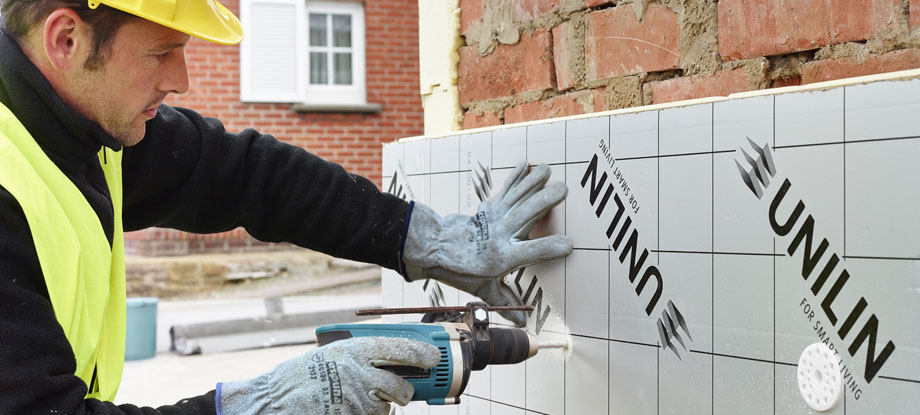
One of the most immediate benefits of proper insulation is its ability to maintain consistent indoor temperatures. In winter, insulation traps heat inside, preventing it from escaping through walls, roofs, and floors. Conversely, during summer, it blocks external heat from seeping in. This means no more drafty rooms in the morning or sweltering attics in the afternoon. With well-insulated walls and attics, your home stays cool in the summer and warm in the winter without overworking your HVAC system.
The difference is especially noticeable in rooms that were previously uncomfortable. For example, a bedroom on the second floor might have been unbearably hot in summer or freezing in winter due to poor insulation. Upgrading to modern, high-performance insulation materials like spray foam or cellulose can eliminate these temperature fluctuations, creating a cozy environment in every corner of your home.
2. Slashes Energy Bills Dramatically
Heating and cooling account for about 50% of the average household’s energy consumption. When your home lacks proper insulation, your HVAC system works overtime to compensate for heat loss or gain, leading to sky-high energy bills. Studies show that well-insulated homes can reduce heating and cooling costs by up to 30%. For a family spending $200 monthly on utilities, that’s a potential savings of $600 per year.
The savings don’t stop there. Insulation also reduces the strain on your heating and cooling equipment, which can extend the lifespan of your furnace, air conditioner, and heat pump. Fewer repair calls and delayed replacements mean additional long-term savings. Over time, the initial investment in insulation pays for itself multiple times over.
3. Reduces Noise Pollution Like a Soundproof Barrier
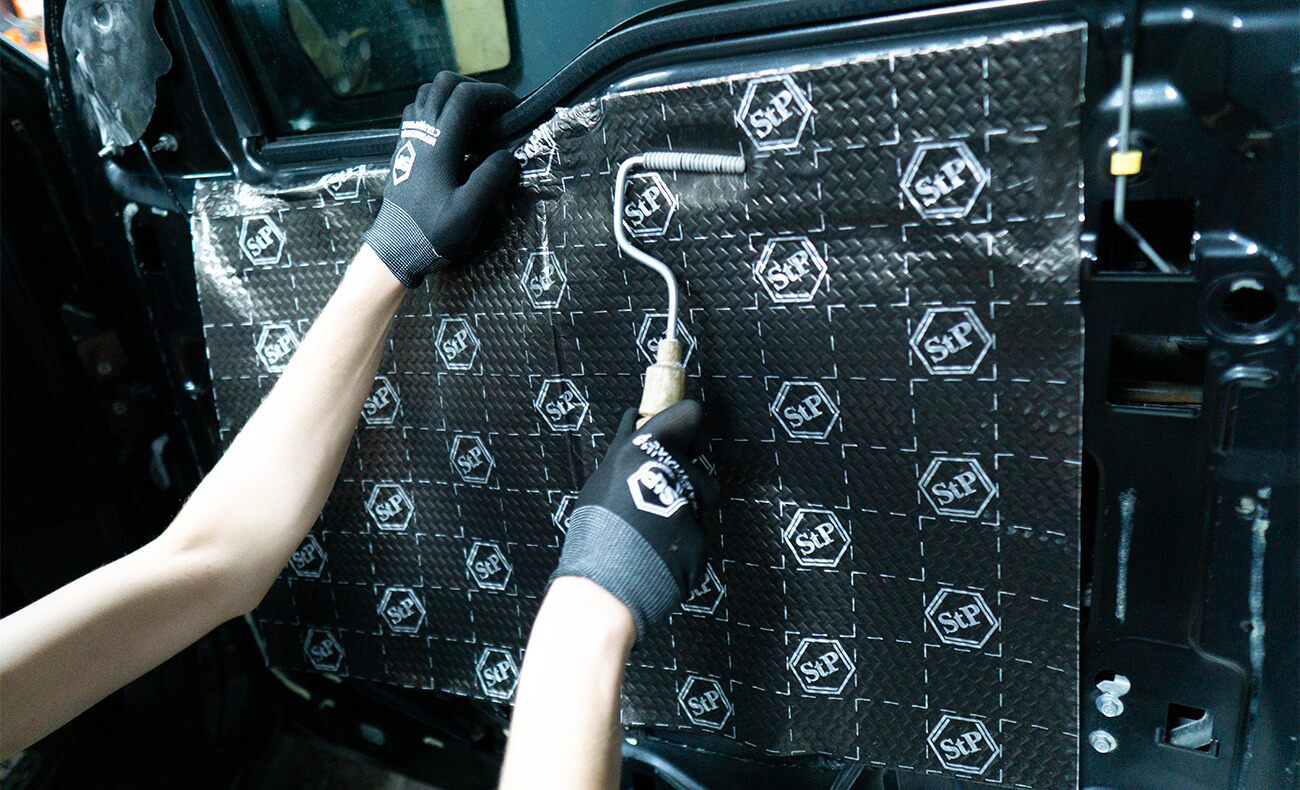
If you live in a bustling neighborhood, near a busy street, or with noisy roommates, insulation can act as an unexpected soundproofing solution. Materials like fiberglass, mineral wool, and dense foam absorb and dampen sound vibrations, significantly reducing external noise infiltration. This is particularly valuable for home offices, bedrooms, and media rooms where quiet is essential.
Insulation doesn’t just block outside noise—it can also minimize sound transfer between rooms. For example, if you have a home theater or a music practice room, adding insulation to the walls can prevent disturbances from traveling to other parts of the house. This creates a more peaceful living environment without the need for expensive acoustic panels or soundproofing renovations.
4. Improves Indoor Air Quality and Health
Poor insulation doesn’t just affect temperature—it can also compromise indoor air quality. Gaps in walls, attics, and basements allow dust, pollen, mold spores, and even pests to enter your living spaces. Over time, these contaminants can trigger allergies, asthma, and respiratory issues. Proper insulation, especially when combined with a vapor barrier, seals these gaps and reduces the infiltration of outdoor pollutants.
Additionally, modern insulation materials like spray foam do not harbor mold or mildew, unlike older, moisture-prone options. This makes your home safer for individuals with allergies or compromised immune systems. By investing in high-quality insulation, you’re not just saving energy—you’re also safeguarding your family’s health.
5. Enhances Home Value and Market Appeal
When it comes time to sell your home, insulation upgrades can be a major selling point. Energy-efficient features are increasingly in demand among buyers who prioritize sustainability and cost savings. Homes with proper insulation are often appraised higher because they promise lower utility bills and greater comfort. In competitive real estate markets, an energy-efficient home can stand out and attract more offers.
Moreover, many green-certified homes, such as those with LEED or ENERGY STAR ratings, require a certain level of insulation. Upgrading your home to meet these standards not only increases its resale value but also appeals to eco-conscious buyers. It’s a small change that can make a big difference in your home’s long-term marketability.
6. Protects Your Home’s Structural Integrity
Inadequate insulation can lead to moisture buildup in walls and attics, which over time can cause wood rot, mold growth, and even structural damage. For example, poor attic insulation can result in ice dams during winter, where melting snow refreezes at the roof’s edge, causing water to seep under shingles and into the house. This can lead to costly repairs and compromise the integrity of your home’s roof.
Insulation acts as a thermal barrier, preventing extreme temperature differences that contribute to moisture problems. Materials like closed-cell spray foam are particularly effective because they create an airtight seal, reducing the risk of condensation and mold. By protecting your home from the inside out, insulation helps maintain its structural health for decades.
7. Reduces Your Carbon Footprint
Using less energy isn’t just good for your wallet—it’s also good for the planet. When your home is well-insulated, your HVAC system consumes less power to maintain comfortable temperatures, which means fewer greenhouse gas emissions. According to the U.S. Department of Energy, improving insulation in residential buildings could reduce carbon dioxide emissions by up to 780 million metric tons over a decade.
For environmentally conscious homeowners, insulation is a simple yet impactful way to contribute to sustainability efforts. By lowering your energy consumption, you’re reducing your reliance on fossil fuels and helping combat climate change. It’s a win-win for both your personal finances and the planet.
8. Makes HVAC Systems More Efficient and Last Longer
When your home is poorly insulated, your heating and cooling systems have to work much harder to maintain a comfortable temperature. This constant strain leads to increased wear and tear, higher repair costs, and a shorter lifespan for your equipment. Insulation reduces the workload on your HVAC system by minimizing heat loss and gain, allowing it to operate more efficiently.
For example, a well-insulated home may only require your furnace to run for 15 minutes every hour to maintain warmth, whereas an uninsulated home might need it to run nonstop. Over time, this reduced usage translates to less maintenance and longer equipment life. You’ll save money on repairs and replacements while enjoying consistent comfort.
9. Increases Comfort in Hard-to-Heat or Cool Rooms
Do you have a room that’s always too hot or too cold? Whether it’s a north-facing bedroom, a sunroom, or a basement office, insulation can solve the problem. By addressing gaps and adding thermal resistance, insulation helps distribute heat more evenly throughout your home. This eliminates the need for space heaters or window AC units in problematic areas, making every room livable.
For homeowners with multi-level homes, insulation is especially valuable. Upper floors often suffer from heat rise during summer, while basements can remain chilly year-round. Adding insulation to walls, floors, and attics levels out these temperature differences, creating a more balanced and comfortable living environment.
10. Provides Long-Term Financial Benefits Beyond Energy Savings
While the immediate financial benefits of insulation—like lower energy bills—are well-known, the long-term savings are often overlooked. A well-insulated home requires fewer repairs, less maintenance, and fewer upgrades to your HVAC system. Additionally, many governments and utility companies offer rebates or tax credits for insulation upgrades, further reducing the upfront cost.
Insulation also contributes to your home’s overall durability. By preventing moisture damage, mold, and structural issues, it protects your investment and reduces the likelihood of costly repairs down the road. Over the lifespan of your home, the cumulative savings from insulation can far exceed the initial installation cost, making it one of the smartest home improvements you can make.
Final Thoughts: Why Insulation Deserves Your Attention
Home insulation is often overlooked in favor of more glamorous upgrades like kitchen remodels or smart home technology. However, its impact on comfort, savings, and sustainability is unparalleled. From reducing noise pollution to improving indoor air quality, the benefits extend far beyond just keeping your home warm in winter.
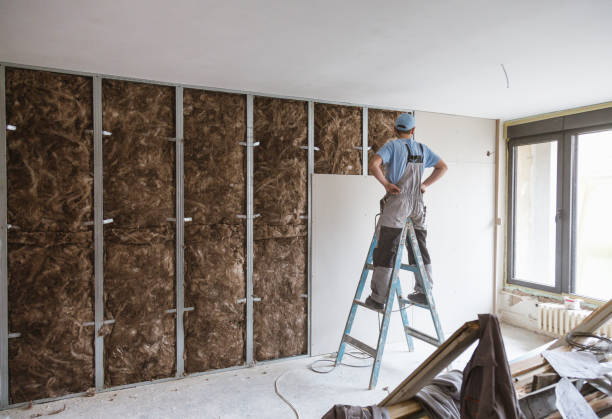
If you’re considering an insulation upgrade, start by assessing your home’s current performance. Look for drafts, uneven temperatures, and high energy bills as signs that your insulation may need attention. Consult with a professional to determine the best materials and installation methods for your specific needs. Whether you opt for fiberglass batts, spray foam, or blown-in cellulose, the right insulation can transform your home into a haven of comfort and efficiency.
Investing in insulation isn’t just about saving money—it’s about creating a healthier, quieter, and more sustainable living space for you and your family. So, if you’ve been on the fence about upgrading, now might be the perfect time to take the plunge. Your comfort (and your wallet) will thank you.