
Introduction & Background
Nature has always held a profound influence on human creativity, offering endless inspiration for art, architecture, and philosophy. Among its many expressions, gardens stand out as some of the most captivating manifestations of this connection, blending beauty with purpose. Enchanted gardens take this concept even further by transforming outdoor spaces into living works of art, where every plant, path, and feature works together to evoke wonder and tranquility. Historically, gardens have served as places of retreat, meditation, and celebration, evolving from simple utilitarian plots to elaborate designs that reflect cultural values and artistic vision. Today, the art of creating enchanted gardens combines traditional landscaping with modern innovation, inviting us to reimagine our relationship with nature. Whether in private backyards, public parks, or botanical sanctuaries, these gardens serve as a testament to humanity’s enduring fascination with beauty, harmony, and the natural world.
Concept & Overview
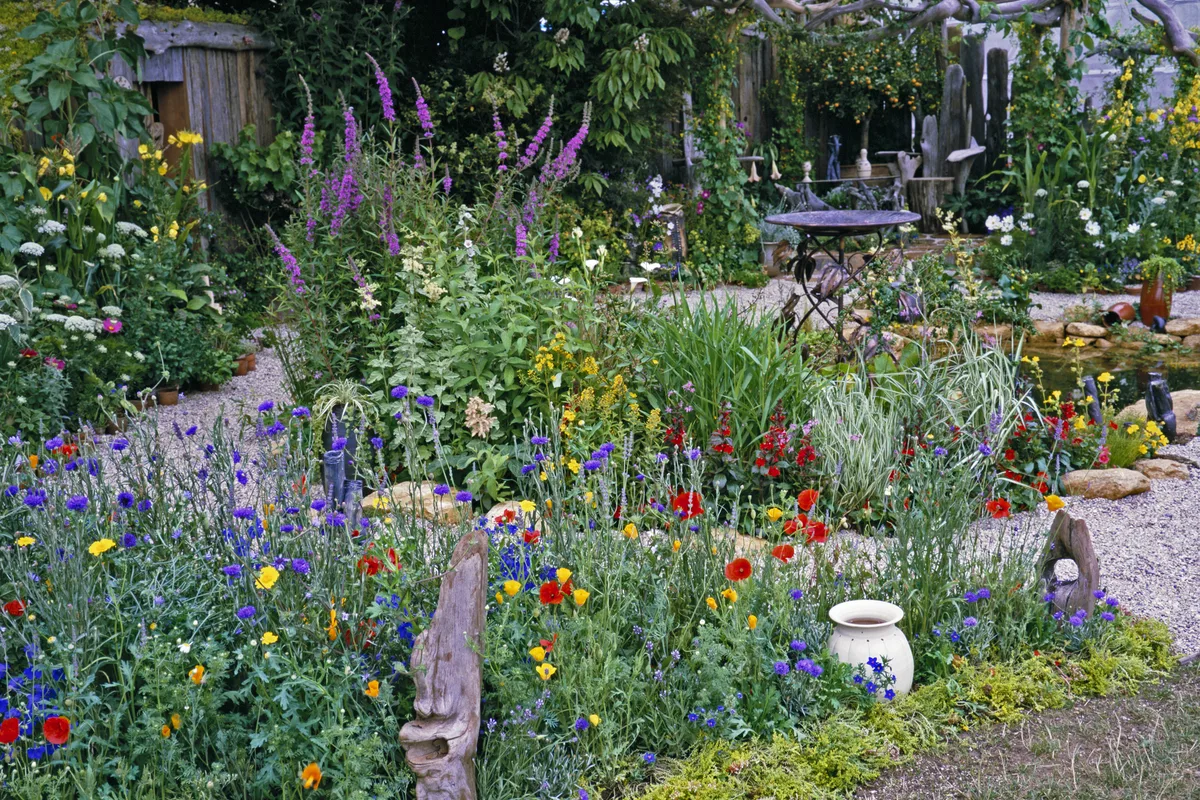
The idea of an enchanted garden revolves around the thoughtful integration of natural elements with artistic design to create a space that feels magical and immersive. Unlike conventional gardens focused solely on aesthetics or functionality, enchanted gardens prioritize emotional resonance and sensory experience. They often incorporate elements such as winding pathways, water features, whimsical sculptures, and carefully selected plant palettes to evoke a sense of escape and discovery. At their core, these gardens are not just about visual appeal but about storytelling, they invite visitors to step into a narrative where every detail contributes to an unfolding journey. This approach draws from various traditions, including Japanese Zen gardens, English cottage gardens, and even fantastical literary gardens from folklore and fairy tales. The key principle is balance, the harmonious coexistence of structure and wildness, order and spontaneity, light and shadow. By blending these contrasting elements, designers craft spaces that feel both intentional and alive, offering a retreat from the ordinary into a realm where nature and art intertwine seamlessly.
Key Features & Highlights
- Curated Plant Selection: Enchanted gardens often feature a mix of native and exotic plants chosen for their color, texture, scent, and seasonal interest. This might include fragrant lavender, towering foxgloves, or delicate ferns arranged to create layers of depth.
- Water Elements: Ponds, fountains, streams, or reflecting pools add movement and sound, enhancing the sensory experience. The reflective quality of water can amplify light and create a sense of expansiveness in even small gardens.
- Whimsical Structures: Arbors, gazebos, bridges, and trellises serve both practical and decorative purposes. These structures can be adorned with climbing vines or twinkling lights to add charm and functionality.
- Pathways & Mazes: Winding gravel paths, mosaic tile walkways, or labyrinths encourage exploration and contemplation. The design of these paths can guide visitors through the garden’s narrative, revealing hidden treasures along the way.
- Night Illumination: Soft, ambient lighting from lanterns, solar-powered orbs, or subtle spotlights transforms the garden after dark, creating an ethereal atmosphere that emphasizes mystery and tranquility.
- Artistic Accents: Sculptures, mosaics, wind chimes, or painted stones serve as focal points that spark imagination. These elements often draw from mythology, nature, or abstract forms to inspire curiosity.
- Seasonal Themes: Enchanted gardens evolve with the seasons, using evergreens for winter structure, bulbs for spring blooms, summer blooms for vibrancy, and autumn foliage for warmth. This cyclical change keeps the space dynamic and engaging year-round.
Frequently Asked Questions / Pros & Cons
What defines an enchanted garden compared to a regular garden?
An enchanted garden is distinguished by its focus on creating an immersive, almost story-like experience rather than merely serving as a decorative outdoor space. While regular gardens prioritize functionality or visual appeal, enchanted gardens aim to evoke emotion and wonder through intentional design choices that engage multiple senses.
Is it expensive to create an enchanted garden?
The cost varies widely depending on the scale and materials used. Small, DIY enchanted gardens can be created on a modest budget with repurposed items and native plants. Larger or more elaborate designs may require professional landscapers and specialty materials, which can drive up costs. However, the investment often pays off in long-term enjoyment and increased property value.
Can enchanted gardens work in urban environments?
Absolutely. Even small balconies or rooftops can be transformed into enchanted spaces with vertical gardens, container plants, and compact decorative elements. Urban enchanted gardens often focus on maximizing limited space with clever uses of mirrors, multi-functional furniture, and climbing plants to create the illusion of a larger, more secluded retreat.
How much maintenance do enchanted gardens require?
Maintenance levels depend on the design. Gardens with diverse plant species may require more upkeep for pruning, watering, and pest control. Conversely, gardens designed with low-maintenance native plants and drought-resistant species can be much easier to manage. Adding mulch, drip irrigation, and self-seeding plants can also reduce the workload over time.
What are the main drawbacks of enchanted garden design?
One potential challenge is the time and effort required to establish and maintain the garden, especially in its early stages. Additionally, some designs may not suit every climate or soil type without significant adjustments. There is also the risk of overcomplicating the space, which can lead to visual clutter rather than enchantment. Careful planning and periodic refinement are essential to avoid these pitfalls.
Practical Guidance & Solutions
If you’re inspired to create your own enchanted garden, start with a clear vision of the mood or theme you want to evoke. Sketch a rough layout, taking note of sunlight, shade, and existing features. Begin with foundational elements like pathways and seating areas before adding plants and decorative touches. Choose plants that thrive in your climate and soil to minimize maintenance. Incorporate water features if possible, even a small tabletop fountain can add soothing sound. Use lighting to extend the garden’s usability into the evening hours. Don’t be afraid to experiment, enchantment often comes from unexpected details. If your space is limited, think vertically by installing trellises or hanging planters. For larger projects, consult with a landscape designer who specializes in creative or artistic gardens. Most importantly, allow your garden to grow and evolve with you, embracing imperfections and seasonal changes as part of the magic.
Conclusion
Enchanted gardens represent more than just a trend in landscaping; they are a celebration of the human spirit’s connection to the natural world. By weaving nature with artistic design, these spaces offer more than beauty, they provide sanctuary, inspiration, and a sense of wonder. Whether you have a sprawling estate or a tiny urban balcony, the principles of enchantment can be applied to transform any outdoor area into a personal retreat. In a fast-paced world, such gardens remind us to slow down, observe, and reconnect with the rhythms of the earth. They encourage us to see the extraordinary in the ordinary, from the delicate unfurling of a fern frond to the gentle ripple of water in a sunlit pool. As you embark on your own journey of garden design, remember that the most enchanting spaces are not perfect but alive, constantly changing, growing, and inviting you to return, time and time again. Let your garden be a living canvas, where every season paints a new masterpiece.