
Unlocking Comfort: A Guide to the Best Home Insulation Types for Energy Savings
Introduction & Background
In today’s world, where energy costs continue to rise and environmental concerns grow, homeowners are increasingly looking for ways to improve their home’s efficiency. One of the most effective solutions is proper home insulation. Beyond just keeping your home warm in winter and cool in summer, insulation plays a crucial role in reducing energy consumption, lowering utility bills, and minimizing your carbon footprint. Whether you’re building a new home or retrofitting an existing one, choosing the right insulation type can make a significant difference in comfort and savings.
Concept & Overview
Home insulation works by slowing the transfer of heat between the interior and exterior of your home. In winter, it helps retain warmth, and in summer, it prevents heat from entering. Effective insulation reduces the need for heating and cooling systems, which are typically major energy consumers. Insulation materials come in various forms, including batts, rolls, loose-fill, spray foam, and rigid boards, each suited to different parts of the home and climate conditions.
Key Features & Highlights
- Material Types: Common insulation materials include fiberglass, cellulose, mineral wool, spray foam, and reflective barriers. Each has unique properties in terms of thermal performance, durability, and installation complexity.
- R-Value: This measures the insulation’s resistance to heat flow. Higher R-values indicate better insulating power. The recommended R-value varies by climate zone, location in the home (walls, attic, floor), and local building codes.
- Installation Methods: Insulation can be installed as batts or rolls during construction, blown into attics or walls, or sprayed as a liquid that expands and hardens. Some types require professional installation, while others are suitable for DIY projects.
- Environmental Impact: Eco-friendly options like cellulose (made from recycled paper) and sheep’s wool are gaining popularity. They offer good performance while reducing environmental harm compared to traditional materials.
- Cost Considerations: Upfront costs vary widely. Fiberglass batts are affordable and widely available, while spray foam offers superior performance but at a higher price. Balancing initial investment with long-term energy savings is key.
Frequently Asked Questions / Pros & Cons
What is the most effective insulation type for energy savings?
Spray foam insulation is often considered the most effective due to its high R-value per inch and ability to seal gaps and cracks. Closed-cell spray foam, in particular, provides excellent thermal resistance and acts as a moisture barrier. However, it comes at a premium cost.
Is it worth upgrading insulation in an older home?
Absolutely. Many older homes were built with minimal or outdated insulation. Upgrading can lead to substantial energy savings, improved comfort, and even increased property value. An energy audit can help identify areas needing improvement.
Can I install insulation myself, or should I hire a professional?
DIY installation is possible for materials like fiberglass batts or rolls, especially in accessible areas like attics. However, spray foam and blown-in insulation often require professional equipment and expertise to ensure proper coverage and safety.
How long does insulation last?
Most insulation types, when properly installed, can last the lifetime of the home. Fiberglass may settle over time, reducing effectiveness, while spray foam and rigid foam boards retain their insulating properties for decades without degradation.
What are the downsides of spray foam insulation?
The main drawbacks include higher costs, potential off-gassing of chemicals during installation (which dissipates over time), and the need for professional application. Additionally, spray foam can be difficult to remove or modify once installed.
Is reflective insulation effective on its own?
Reflective insulation, such as radiant barriers, works well in hot climates by reflecting radiant heat away from the home. However, it is most effective when combined with other insulation types, as it does not resist conductive or convective heat transfer on its own.
Practical Guidance & Solutions
Before selecting an insulation type, assess your home’s specific needs. Start with an energy audit to identify air leaks, insufficient insulation, and areas of heat loss. Focus on critical areas like the attic, where heat rises and escapes easily, and walls, especially in older homes with single-pane windows.
For attics, blown-in cellulose or fiberglass is a cost-effective choice, especially when covering large or irregular spaces. If you prefer a more seamless option, consider spray foam, which expands to fill every gap and provides superior air sealing.
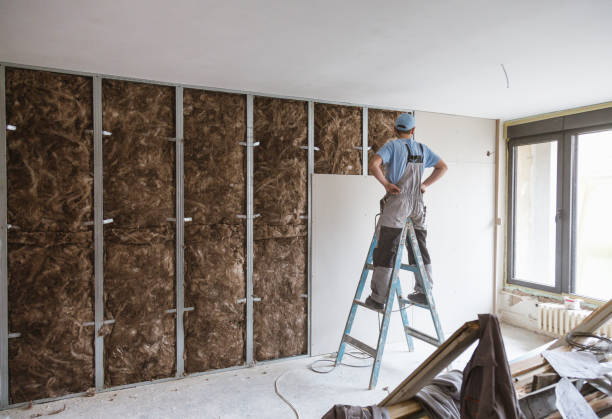
For walls, blown-in insulation is ideal for retrofit projects, as it can be added without major construction. For new builds or exterior wall renovations, rigid foam boards offer high R-values and can be combined with traditional batts for optimal performance.
When budget is a concern, fiberglass batts remain a practical middle ground. They are widely available, affordable, and easy to install in standard wall cavities. Pair them with weather stripping and caulking around windows and doors to enhance their effectiveness.
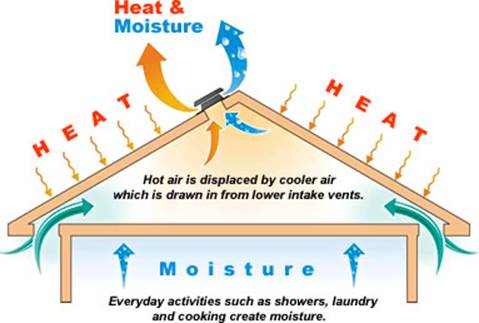
Finally, don’t overlook the importance of proper ventilation. Well-insulated homes need balanced airflow to prevent moisture buildup and maintain indoor air quality. Consider adding vents or moisture barriers where necessary.
Conclusion
Investing in the right home insulation is one of the smartest decisions a homeowner can make. Not only does it enhance comfort by maintaining consistent indoor temperatures, but it also leads to significant long-term savings on energy bills. With a variety of materials and methods available, there’s an insulation solution for every home and budget. By understanding your options and addressing your home’s specific needs, you can unlock greater comfort, reduce your environmental impact, and enjoy the peace of mind that comes with a well-insulated living space.