
Introduction & Background
Home insulation is one of the most effective ways to improve energy efficiency, reduce utility bills, and enhance indoor comfort throughout the year. Whether you live in a scorching summer climate or a freezing winter environment, proper insulation keeps your home warm in winter and cool in summer while minimizing energy waste. Investing in high-quality insulation not only lowers heating and cooling costs but also contributes to a more sustainable lifestyle by reducing your carbon footprint. With rising energy prices and growing environmental concerns, optimizing your home’s insulation has never been more important.
Concept & Overview
Insulation works by slowing the transfer of heat between the inside and outside of your home. In winter, it traps warm air inside, preventing heat loss through walls, roofs, and windows. In summer, it blocks external heat from entering, keeping your living spaces cooler. The effectiveness of insulation is measured by its R-value, which indicates resistance to heat flow. The higher the R-value, the better the insulation performs. To achieve year-round comfort, it’s essential to consider not just the type of insulation but also where and how it’s installed.
Key Features & Highlights
- Thermal Performance: High R-values ensure superior heat retention in winter and heat resistance in summer.
- Material Variety: Common options include fiberglass, cellulose, spray foam, and natural fibers like wool or cotton.
- Installation Flexibility: Insulation can be applied in walls, attics, basements, floors, and even around ductwork.
- Moisture Resistance: Certain insulation types, like closed-cell spray foam, resist moisture and prevent mold growth.
- Eco-Friendliness: Recycled materials like cellulose and sheep’s wool offer sustainable insulation choices.
- Noise Reduction: Dense insulation materials help dampen sound, creating a quieter indoor environment.
- Fire Safety: Some insulation materials are treated with fire-resistant chemicals to enhance safety.
- Cost-Effectiveness: Proper insulation pays for itself over time through energy savings and improved comfort.
- Durability: Well-installed insulation can last for decades without significant degradation.
- Health Benefits: Good insulation reduces drafts and humidity, improving indoor air quality and comfort.
Frequently Asked Questions / Pros & Cons
What are the best types of insulation for year-round comfort?
Fiberglass batts are affordable and widely used, but spray foam offers superior sealing and high R-values. Cellulose is eco-friendly and great for attics, while rigid foam boards work well for exterior walls. Natural fibers like wool are excellent for those seeking sustainable options.
How much can I save on energy bills with better insulation?
According to the U.S. Department of Energy, proper insulation can reduce heating and cooling costs by up to 20%. This translates to hundreds of dollars in annual savings, depending on your home’s size and climate.
Is DIY insulation installation effective?
While DIY installation is possible for simple projects like attic rolls or wall batts, professional installation ensures optimal coverage, especially for spray foam or complex layouts. Poor installation can create gaps, reducing efficiency.
What are the disadvantages of poor insulation?
Poor insulation leads to energy loss, higher bills, inconsistent indoor temperatures, drafts, moisture buildup, and even structural damage from condensation. It can also contribute to health issues like allergies due to mold and dust infiltration.
Can insulation improve indoor air quality?
Yes, high-quality insulation reduces drafts and outdoor pollutants from entering the home. However, some materials like fiberglass may release particles if disturbed, so proper sealing and ventilation are important.
How often should insulation be replaced?
Most insulation lasts 15 to 30 years, depending on the material and environmental conditions. Signs of replacement include uneven temperatures, rising energy bills, or visible sagging or moisture damage in attic insulation.
Practical Guidance & Solutions
Start by assessing your home’s current insulation levels. Check the attic first, as this is where the most heat escapes. If your insulation is thin or compressed, consider adding more layers or upgrading to a higher R-value material. For walls, blown-in cellulose or spray foam can fill gaps effectively without major renovations.
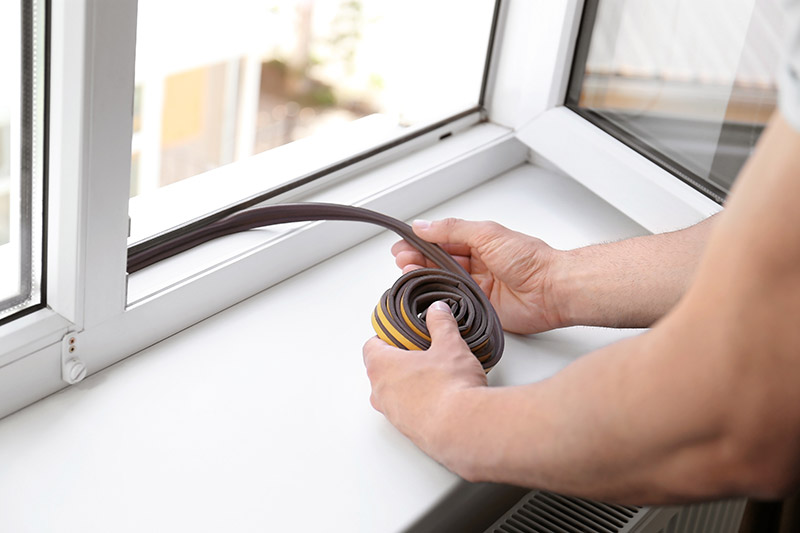
Seal air leaks around windows, doors, and electrical outlets using weatherstripping or caulk. This prevents drafts and enhances insulation performance. Pay attention to areas like basements and crawl spaces, which are often overlooked but can account for significant heat loss.
If you’re on a budget, prioritize the most critical areas first. Attic insulation offers the highest return on investment, followed by walls and floors. For a long-term solution, consult an energy auditor to identify weak spots and recommend tailored improvements.
Remember to maintain proper ventilation to prevent moisture buildup, which can compromise insulation effectiveness. Regularly inspect your insulation for signs of settling, moisture damage, or pest infestations, and address issues promptly.
Conclusion
Supercharging your home insulation is a smart, cost-effective way to enhance comfort, cut energy costs, and support a greener planet. By choosing the right materials, sealing air leaks, and focusing on high-impact areas, you can transform your home into a haven of efficiency and coziness year-round. Whether you opt for professional installation or a DIY approach, every step toward better insulation brings lasting benefits for your wallet and well-being. Start small, think big, and enjoy the comfort of a well-insulated home.