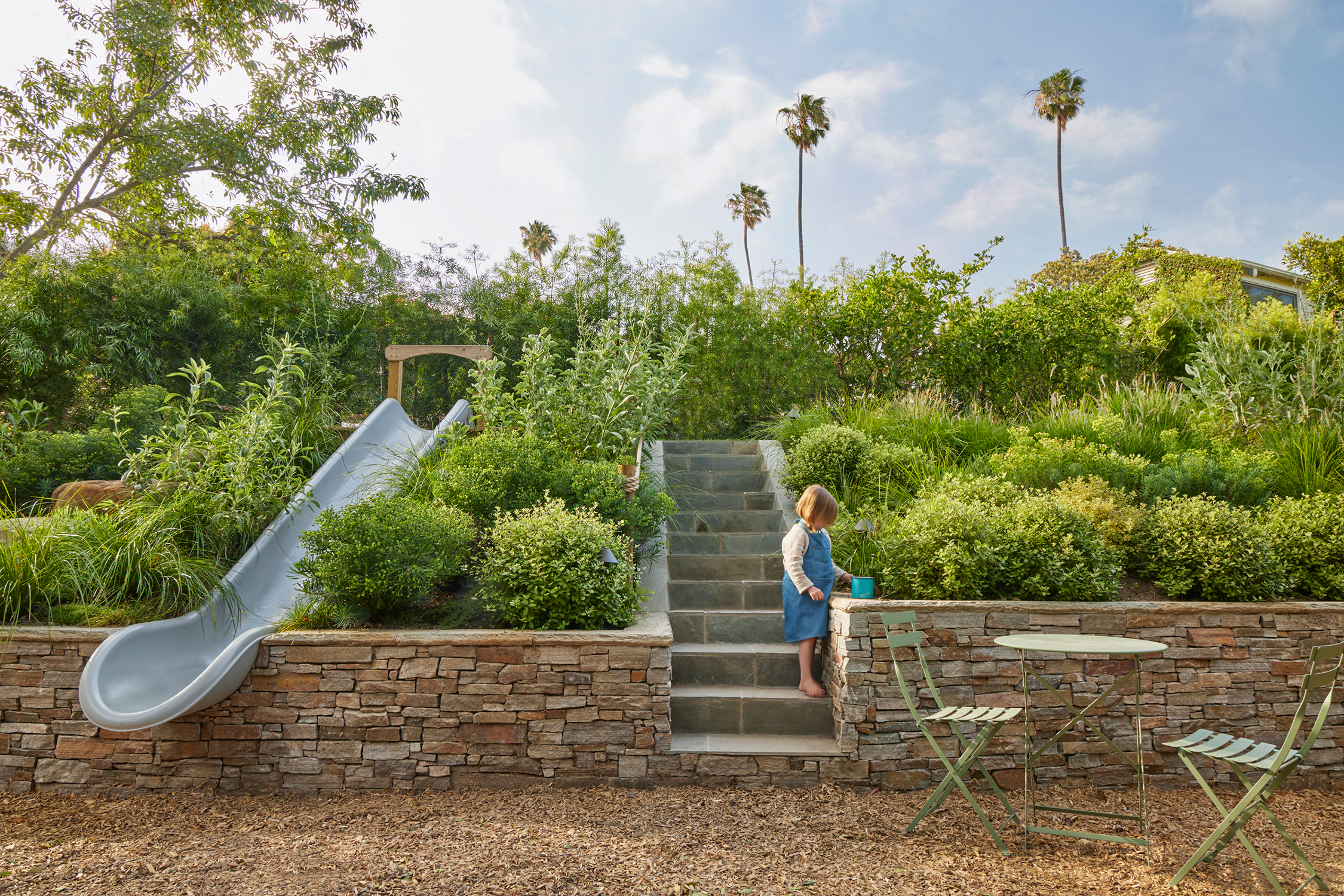

Blossoms & Balance: Crafting Your Perfect Outdoor Sanctuary
Introduction & Background
In today’s fast-paced world, finding a peaceful retreat outside our homes has become more valuable than ever. An outdoor sanctuary is not just a place to relax, but a reflection of personal style and a haven for the senses. Whether it is a small balcony or a sprawling garden, the right outdoor space can transform daily life by bringing nature closer to home. The concept of creating such a sanctuary dates back centuries, when people first began designing gardens for beauty and tranquility. Today, this tradition continues as homeowners seek to reconnect with the natural world while enjoying the comforts of modern living.
Gardens have long been symbols of harmony and growth. Ancient civilizations like the Egyptians and Romans cultivated gardens for both practical and aesthetic purposes. Over time, the idea evolved into the Japanese art of Zen gardens, which emphasize balance and simplicity. In the modern era, outdoor spaces serve multiple roles, from entertainment areas to quiet meditation corners. The key lies in blending elements that appeal to sight, sound, and touch, resulting in a space that feels both personal and inviting.
Concept & Overview
An outdoor sanctuary is a thoughtfully designed space that balances aesthetics, functionality, and comfort. It goes beyond planting flowers and arranging furniture. The core idea is to create a cohesive environment where every element contributes to a sense of peace and order. This involves considering the layout, color schemes, textures, and even seasonal changes. A well-crafted sanctuary should feel like an extension of the home, offering a seamless transition between indoor and outdoor living.
The foundation of such a sanctuary lies in understanding the principles of landscape design. These include unity, balance, proportion, and rhythm. Unity ensures that all parts of the space relate to each other, while balance prevents visual clutter. Proportion maintains harmony between different elements, and rhythm guides the eye through the garden in a natural flow. By applying these principles, even a small space can feel spacious and intentional. The goal is to craft an environment that feels both curated and organic, where nature and design coexist in perfect harmony.
Key Features & Highlights
- Natural Elements: Incorporate plants, trees, and water features to bring life and movement to the space. Choose native plants for low maintenance and ecological benefits.
- Seating Areas: Provide comfortable seating options such as benches, hammocks, or lounge chairs. Consider weather-resistant materials that blend with the surroundings.
- Lighting: Soft lighting like string lights, lanterns, or solar-powered path lights extends usability into the evening and creates a magical ambiance.
- Privacy Screens: Use trellises, tall plants, or decorative screens to define boundaries and shield the space from outside distractions.
- Pathways & Flooring: Define walkways with gravel, stepping stones, or wood decking to guide visitors through the space while adding texture and structure.
- Decorative Accents: Add personal touches such as sculptures, wind chimes, or colorful cushions to reflect individual style and spark joy.
- Sustainable Practices: Opt for drought-resistant plants, rainwater collection systems, and compost bins to reduce environmental impact and promote eco-friendly living.
Frequently Asked Questions / Pros & Cons
What are the benefits of having an outdoor sanctuary?
A well-designed outdoor sanctuary offers numerous advantages. It serves as a retreat for relaxation and stress relief, improves air quality through plants, and increases property value. It also encourages outdoor activities, fosters connection with nature, and creates a beautiful setting for social gatherings or quiet reflection.
Is it possible to create a sanctuary in a small space like a balcony or patio?
Absolutely. Small spaces can be transformed into intimate sanctuaries with vertical gardening, hanging pots, and multi-functional furniture. Using mirrors, light colors, and compact seating can also create an illusion of space. The key is to focus on quality over quantity and choose elements that bring maximum visual and sensory appeal.
Which plants are best suited for a low-maintenance sanctuary?
Native plants and drought-tolerant species are ideal for minimizing upkeep. Examples include lavender, succulents, ornamental grasses, and certain shrubs like boxwood or hydrangeas. These plants require less watering, are resistant to local pests, and often thrive in their natural environment without excessive care.
What are the common challenges when designing an outdoor sanctuary?
Common challenges include space limitations, unpredictable weather conditions, soil quality issues, and pest control. Another challenge is balancing aesthetics with functionality, especially in high-traffic areas. Over time, maintenance demands and seasonal changes can also affect the appearance and usability of the space.
What materials are best for outdoor seating and furniture?
Choose weather-resistant materials such as teak, cedar, wrought iron, or synthetic rattan. These materials resist moisture, fading, and wear, making them ideal for outdoor use. For cushions, use outdoor-grade fabric that dries quickly and resists mildew. Avoid materials that require frequent refinishing or are prone to rust.
Practical Guidance & Solutions
If you are just starting your outdoor sanctuary project, begin with a clear vision. Sketch a simple layout and list your priorities, such as seating, privacy, or greenery. Prioritize drainage and sunlight exposure when selecting a location. For small spaces, use vertical elements like wall-mounted planters or shelves to maximize area. Consider the orientation of the sun to place seating where it receives gentle warmth without becoming too hot.
When choosing plants, group them by water and light needs to simplify care. Layer different heights and textures to create depth and visual interest. Add a water feature, even a small tabletop fountain, to introduce soothing sound and movement. Lighting should be layered as well, with ambient lights for overall illumination, task lights for specific areas, and accent lights to highlight focal points.
For maintenance, set up a simple routine that includes weekly watering, seasonal pruning, and occasional cleaning of seating and decor. Use mulch to retain moisture and suppress weeds. If budget allows, invest in durable materials to reduce long-term replacement costs. Remember, the goal is to create a space that feels effortless and enjoyable, not labor-intensive.
Conclusion
Creating an outdoor sanctuary is a journey of self-expression and connection with nature. It is about crafting a space that balances beauty and function, where every detail contributes to a feeling of peace and renewal. Whether you have a sprawling garden or a modest balcony, the principles remain the same: harmony, intention, and personal touch. As seasons change, so will the sanctuary, offering new colors, scents, and moments of quiet reflection.
Your outdoor space is more than just a backdrop, it is a living extension of who you are. With thoughtful planning and a love for nature, you can turn even the smallest corner into a sanctuary that nourishes the soul and welcomes all who enter. So take the first step, plant a seed, arrange a chair, and let the transformation begin.