
Introduction & Background
Transforming your outdoor space into a beautiful and functional garden is more than just a hobby. It is an opportunity to create a personal sanctuary where you can unwind, entertain, or reconnect with nature. Whether you have a small balcony, a suburban backyard, or a sprawling country estate, thoughtful garden design can elevate your outdoor living experience. In today’s fast-paced world, people increasingly seek peaceful retreats at home. A well-designed garden not only enhances curb appeal but also boosts property value and promotes mental well-being. This article explores creative garden design plans that cater to diverse tastes and practical needs, helping you turn your vision into a reality.
Concept & Overview
Garden design is the art and process of planning and creating functional, aesthetically pleasing outdoor spaces. It combines elements such as plants, hardscapes, water features, and lighting to craft a cohesive environment. The core principles revolve around balance, proportion, unity, rhythm, and focal points. Whether you prefer a formal English garden, a rustic cottage garden, or a modern minimalist landscape, the foundation lies in understanding your space, climate, and personal style. Successful garden design balances beauty with practicality, ensuring that the space is both visually appealing and easy to maintain.
Key Features & Highlights
- Zoning and Layout: Divide your garden into distinct areas such as dining, relaxation, and play zones to maximize functionality and flow.
- Plant Selection: Choose plants that thrive in your climate and match your desired aesthetic, from flowering perennials to evergreen shrubs.
- Hardscaping Elements: Incorporate pathways, patios, and retaining walls using materials like stone, wood, or concrete for structure and durability.
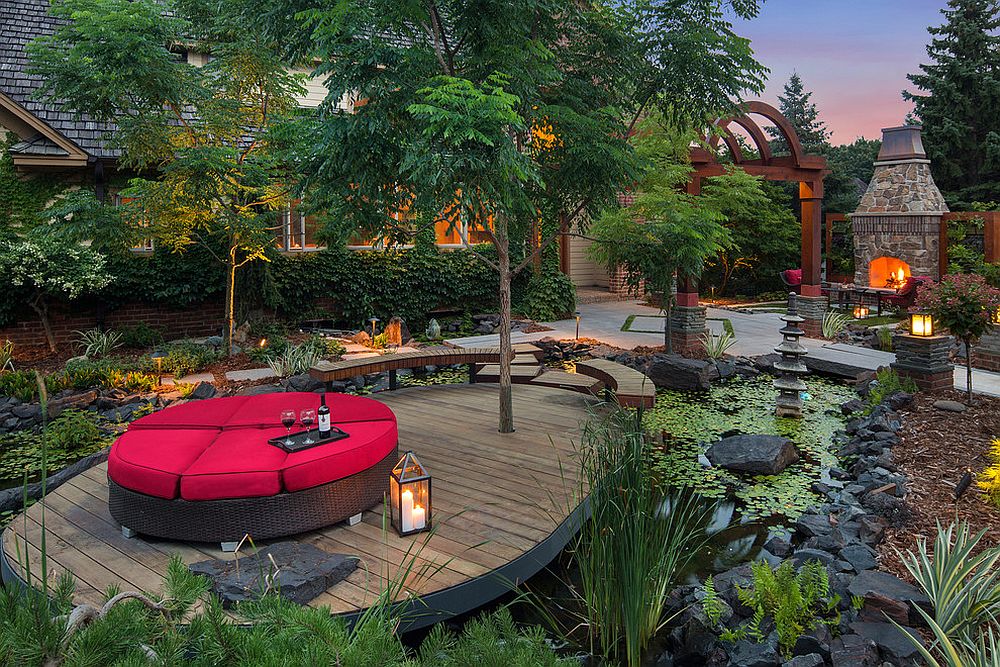
- Water Features: Add fountains, ponds, or birdbaths to create a soothing atmosphere and attract wildlife.
- Lighting Design: Use ambient, task, and accent lighting to extend the usability of your garden into the evening while highlighting key features.
- Sustainability Practices: Opt for drought-resistant plants, rain gardens, and composting to reduce water use and support local ecosystems.
- Seasonal Interest: Plan for year-round appeal by selecting plants that bloom or provide color in different seasons.
- Privacy Solutions: Incorporate trellises, hedges, or screens to create intimate spaces shielded from neighbors or street views.
Frequently Asked Questions / Pros & Cons
What are the benefits of hiring a professional garden designer?
Hiring a professional brings expertise in plant selection, spatial planning, and local regulations. They can save you time and money by avoiding costly mistakes and ensuring long-term sustainability. Professionals also access exclusive plant varieties and materials, elevating the overall design.
Can I design a garden on a tight budget?
Absolutely. Start small by focusing on one area at a time. Use native plants, recycled materials, and do-it-yourself hardscaping to cut costs. Prioritize must-have features and expand gradually as your budget allows.
How do I choose plants that thrive in my climate?
Research your USDA hardiness zone or consult a local nursery to identify plants suited to your region’s temperature, rainfall, and sunlight. Group plants with similar water and soil needs together to simplify maintenance.
Consider factors like soil type, drainage, and microclimates in your yard, such as shady corners or sunny slopes, when selecting species.
What are the pros and cons of using synthetic turf?
Pros: Requires less water and upkeep than natural grass, stays green year-round, and is pet and child-friendly.
Cons: Can become hot in sunlight, lacks the natural feel and biodiversity of real grass, and may require professional installation.
How can I make my garden more eco-friendly?
Reduce water waste by installing drip irrigation or rain barrels. Use organic mulch to retain moisture and suppress weeds. Choose native plants that support pollinators and require fewer chemicals. Avoid synthetic fertilizers and pesticides to protect soil and water quality.
Practical Guidance & Solutions
Begin by assessing your space and defining your goals. Start with a simple sketch or digital tool to map out zones and pathways. Focus on improving the soil quality before planting, as healthy soil is the foundation of a thriving garden. When selecting plants, prioritize low-maintenance varieties if you have limited time. Integrate hardscaping gradually, using permeable materials to prevent water runoff.
For small gardens, vertical gardening with trellises or wall-mounted planters maximizes space. In larger areas, create focal points with specimen trees or water features to draw the eye. If privacy is a concern, plant fast-growing hedges or install lattice panels. Lighting should be layered, combining solar-powered path lights with subtle uplighting for trees and shrubs.
Seasonal maintenance is key. Prune plants in late winter, mulch in spring, and deadhead flowers throughout the growing season. Keep an eye on pests and address issues early with organic remedies. Finally, enjoy the process. Your garden will evolve over time, reflecting your tastes and experiences.
Conclusion
Creative garden design transforms ordinary outdoor spaces into extraordinary retreats. Whether you dream of a vibrant flower garden, a serene Zen courtyard, or a productive vegetable plot, the key lies in thoughtful planning and personal expression. Start small, stay flexible, and let your garden grow alongside your ideas. With the right design principles and a bit of passion, your outdoor space can become a source of joy, relaxation, and inspiration for years to come. Embrace the journey and watch your garden come to life.