
Introduction & Background
Home insulation is more than just a modern convenience. It is a fundamental element that shapes how comfortable, affordable, and sustainable a home can be in today’s world. As energy costs rise and environmental concerns grow, the importance of proper insulation has never been clearer. Whether you live in a hot climate or a cold one, insulation acts as a silent guardian, keeping indoor temperatures stable while reducing the strain on heating and cooling systems. Beyond comfort and savings, insulation also plays a key role in lowering carbon footprints, making it a win-win solution for homeowners and the planet alike.
Concept & Overview
At its core, home insulation refers to the use of materials designed to slow down the transfer of heat between the inside and outside of a building. During winter, insulation helps retain warmth inside, while in summer, it prevents excessive heat from entering. This process reduces the need for constant heating or air conditioning, which not only improves comfort but also cuts down on energy expenses. Insulation works through various materials such as fiberglass, cellulose, spray foam, or natural fibers, each with unique properties suited to different spaces and budgets. The effectiveness of insulation is measured by its R-value, a numerical indicator of thermal resistance. Higher R-values mean better insulation performance, ensuring that homes stay energy-efficient year-round.
Key Features & Highlights
- Energy Efficiency: Insulation significantly reduces heat loss in winter and heat gain in summer, leading to lower energy consumption and reduced utility bills.
- Cost Savings: By minimizing the need for heating and cooling, insulation helps homeowners save hundreds of dollars annually on energy costs.
- Year-Round Comfort: Proper insulation maintains consistent indoor temperatures, eliminating cold drafts in winter and hot spots in summer.
- Noise Reduction: Insulation materials often have sound-absorbing qualities, creating quieter indoor environments by blocking external noise.
- Environmental Benefits: Reduced energy use translates to lower greenhouse gas emissions, making insulation a sustainable choice for eco-conscious households.
- Moisture Control: Quality insulation prevents condensation buildup, reducing the risk of mold and mildew growth inside walls and attics.
- Increased Property Value: Homes with modern, efficient insulation are more attractive to buyers and can command higher resale prices.
- Healthier Living Spaces: By controlling humidity and preventing air leaks, insulation contributes to better indoor air quality and fewer respiratory issues.
- Versatile Application: Insulation can be installed in walls, attics, floors, basements, and even around pipes, ensuring comprehensive protection.
- Long-Term Durability: High-quality insulation materials last for decades, providing lasting benefits without frequent replacements.
Frequently Asked Questions / Pros & Cons
What are the best types of insulation for different climates?
In cold climates, materials with high R-values like spray foam or rigid foam boards are ideal for maximum heat retention. In hot climates, reflective insulation or radiant barriers can help block heat entry. For moderate climates, fiberglass batts or cellulose insulation often provide a balanced solution.
Can I install insulation myself, or should I hire a professional?
DIY installation is possible for simpler areas like attics using fiberglass batts or rolls, provided safety precautions are followed. However, spray foam or complex wall insulation usually requires professional installation to ensure proper coverage and air sealing.
How much can I expect to save on energy bills with proper insulation?
Homeowners typically save between 10% and 50% on heating and cooling costs after upgrading insulation, depending on the current state of the home and the type of insulation used.
What is the average lifespan of home insulation?
Most insulation types, including fiberglass and cellulose, last between 15 to 30 years if properly installed and maintained. Spray foam can last even longer, often exceeding 50 years.
Does insulation contribute to better indoor air quality?
Yes, by reducing drafts and preventing moisture buildup, insulation helps minimize allergens, dust, and pollutants that enter the home through air leaks. However, low-quality or improperly installed insulation can trap harmful particles, so material choice and installation quality are crucial.
Are there any downsides to home insulation?
Potential downsides include higher upfront installation costs, especially for premium materials like spray foam. Poor installation can lead to gaps or compression, reducing effectiveness. Some older insulation materials may contain harmful substances like asbestos, which require safe removal and replacement.
Practical Guidance & Solutions
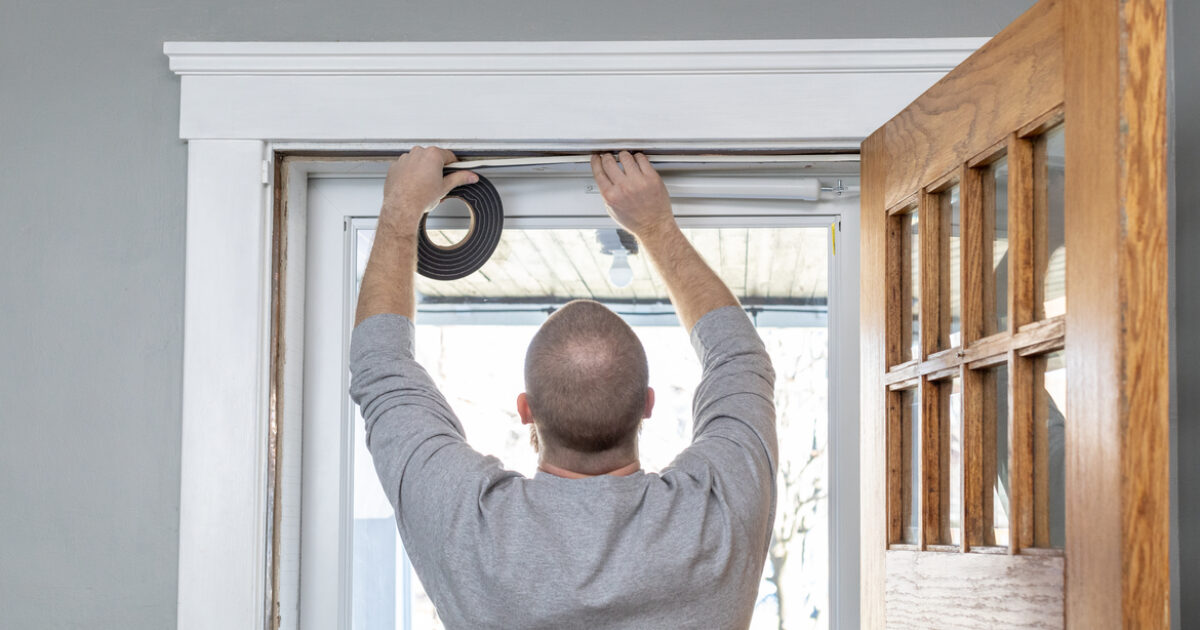
If you’re ready to improve your home’s insulation, start by assessing your current setup. Check for drafts around windows and doors, examine attic and basement insulation levels, and look for signs of moisture or mold. Next, choose insulation material based on your climate, budget, and the area of installation. For walls, consider blown-in cellulose or spray foam for thorough coverage. Attics benefit from thick layers of fiberglass or mineral wool. Always ensure proper air sealing before adding insulation to prevent heat loss through gaps. If hiring professionals, request multiple quotes and verify their experience with similar projects. Finally, maintain your insulation by inspecting it regularly and addressing any damage or settling promptly. Small steps today can lead to significant comfort, savings, and sustainability for years to come.
Conclusion
Home insulation is a powerful yet often overlooked solution that transforms how we live. It turns drafty, inefficient spaces into havens of comfort while cutting energy costs and environmental impact. From fiberglass batts to advanced spray foam, the right insulation choice can suit every home and climate. The benefits extend beyond savings and comfort, touching on health, property value, and sustainability. As energy demands rise and climate awareness grows, investing in quality insulation is not just a smart decision. It is a responsibility we owe to our homes, our wallets, and the planet. Take the first step today and discover how a well-insulated home can redefine your everyday living experience.