
Why Home Insulation Matters
Home insulation is often overlooked, yet it plays a crucial role in maintaining comfort, reducing energy costs, and minimizing environmental impact. Proper insulation acts as a barrier, slowing the transfer of heat between the inside and outside of your home. In winter, it keeps warmth indoors, while in summer, it prevents excess heat from entering. Without adequate insulation, your heating and cooling systems work overtime, leading to higher utility bills and unnecessary energy waste. Beyond financial savings, effective insulation contributes to a more sustainable lifestyle by lowering your carbon footprint. Investing in quality insulation is one of the smartest ways to enhance your home’s efficiency and livability.
Signs Your Home Needs Better Insulation
Before diving into upgrades, it’s important to identify whether your home is underinsulated. Here are common signs that indicate a need for better insulation:
- Uneven temperatures: Rooms that are consistently colder or warmer than others suggest poor insulation.
- High energy bills: Sudden spikes in heating or cooling costs may point to heat loss through walls or ceilings.
- Drafts and cold spots: Feeling drafts near windows, doors, or outlets often means insulation gaps.
- Ice dams in winter: These occur when heat escapes through the roof, melting snow that refreezes at the edges.
- Mold or moisture issues: Poor insulation can lead to condensation and mold growth in walls or attics.
Top Areas to Insulate for Maximum Efficiency
Not all insulation is created equal, and focusing on the right areas can make a significant difference. Prioritize these key zones:
Attic and Roof
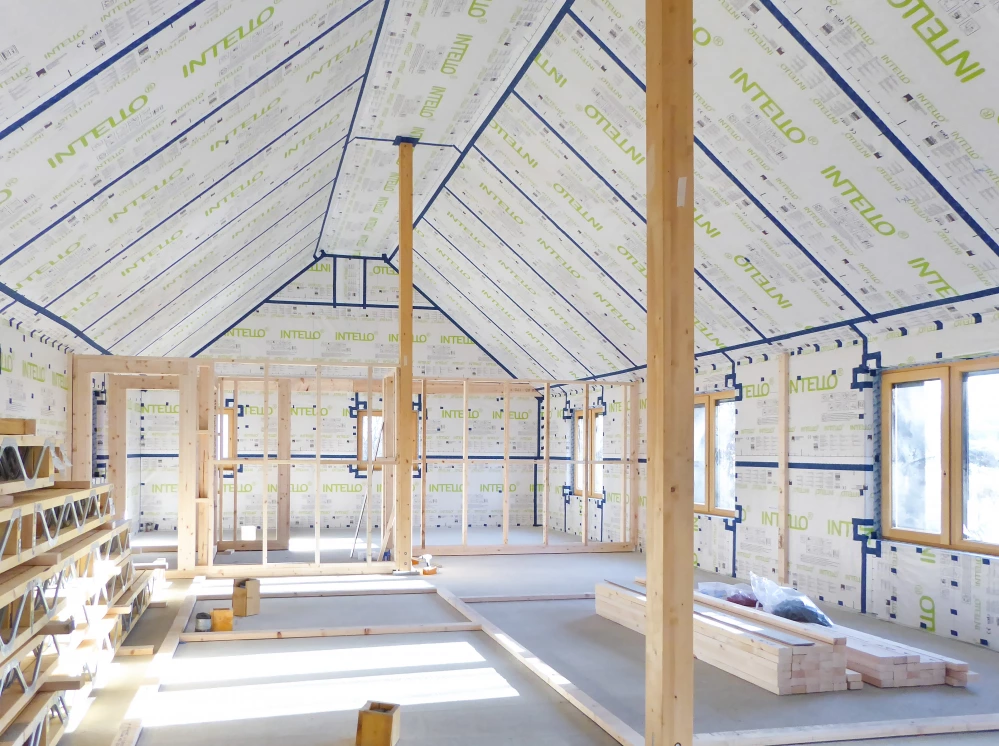
The attic is one of the most critical areas for insulation because heat rises. Proper attic insulation prevents warmth from escaping through the roof, reducing heating costs in winter. Consider using materials like fiberglass batts, blown-in cellulose, or spray foam for optimal coverage. If you have an unfinished attic, start here before tackling other spaces.
Walls
Wall insulation is often more challenging to upgrade, especially in existing homes, but it’s highly effective. Two main options exist: cavity wall insulation (filling gaps in the wall structure) or external wall insulation (adding a layer to the outside). For older homes with solid walls, internal insulation may be necessary, though it can reduce room space slightly.
Floors and Basements
Cold floors and drafty basements can make even the coziest home feel chilly. Insulating floors—especially over unheated spaces like garages or crawl spaces—can add warmth and comfort. Basement insulation should focus on both the walls and the ceiling to prevent heat loss. Rigid foam boards or mineral wool are excellent choices for these areas.
Windows and Doors
Windows and doors are notorious for letting heat escape. While upgrading to double or triple-glazed windows is ideal, it can be expensive. Start with simpler solutions like weatherstripping, caulking, or thermal curtains. For doors, consider adding a door sweep or an insulated door panel to block drafts.
DIY Insulation Hacks for Renters and Homeowners
Improving insulation doesn’t always require a major renovation. Here are some budget-friendly and renter-friendly ways to boost your home’s insulation:
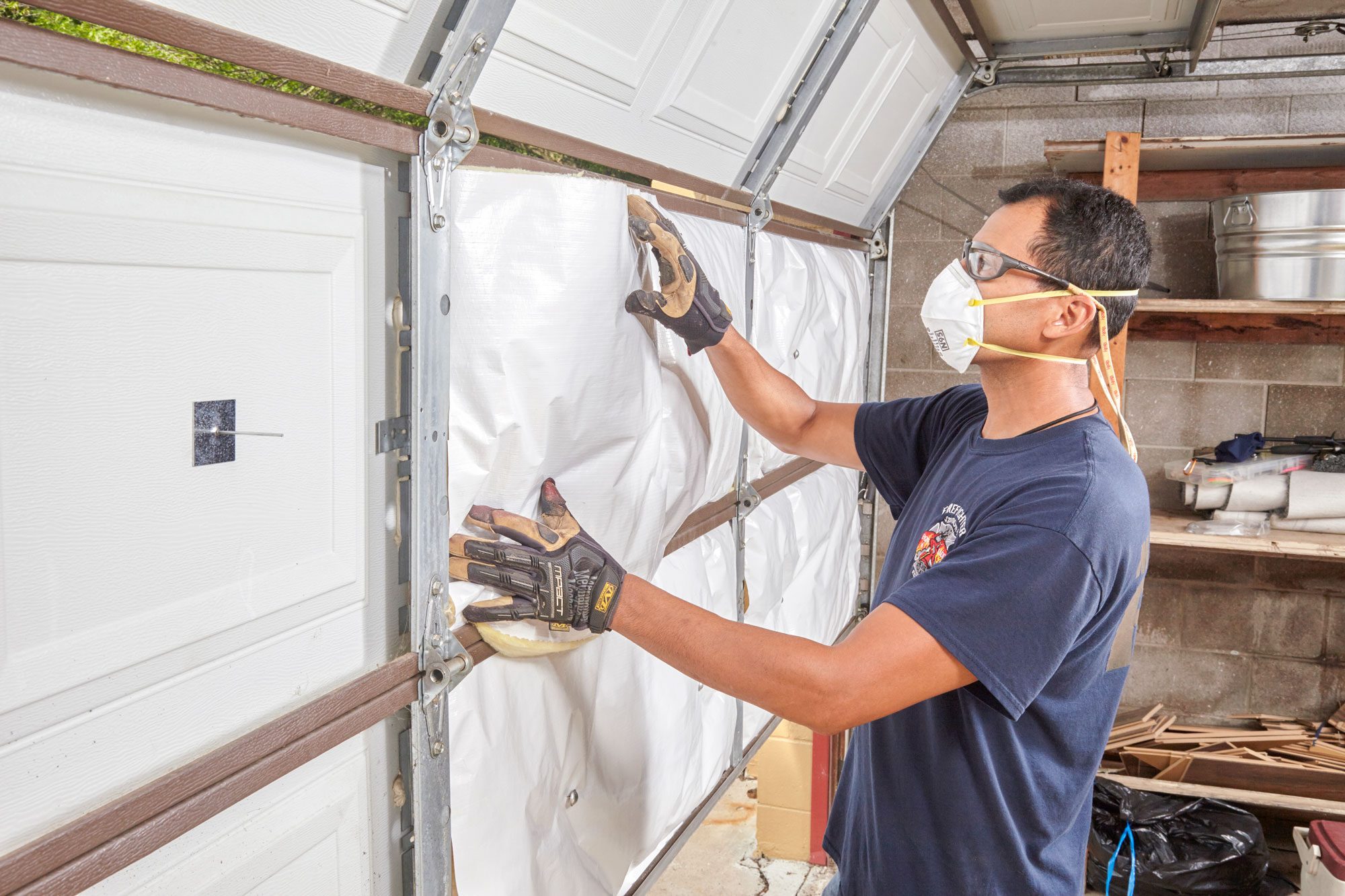
- Seal air leaks: Use expanding foam or caulk to seal gaps around windows, doors, electrical outlets, and pipes. Even small cracks can let in cold air.
- Add rugs and carpets: Thick rugs or wall-to-wall carpeting can insulate cold floors, especially in older homes with hardwood or tile.
- Use draft stoppers: Place fabric draft stoppers along window sills and door bottoms to block drafts. DIY versions can be made from old towels or fabric scraps.
- Install thermal liners: Thermal curtain liners or reflective window films can reduce heat loss through windows without permanent changes.
- Furniture placement: Arrange furniture away from exterior walls to prevent cold spots. Bookshelves against outer walls can act as additional insulation.
Eco-Friendly Insulation Materials: A Sustainable Choice
If you’re looking to reduce your environmental impact, consider insulation made from sustainable or recycled materials. These options not only improve energy efficiency but also often have lower embodied carbon than traditional materials. Here are some top eco-friendly choices:
- Cellulose: Made from recycled newspaper and treated with non-toxic borate, cellulose is a great option for walls and attics. It’s dense, providing excellent thermal resistance, and has a low environmental impact.
- Sheep’s wool: A natural, renewable resource, sheep’s wool insulation offers excellent thermal and acoustic properties. It’s also breathable, reducing the risk of condensation and mold.
- Cork: Harvested from the bark of cork oak trees (without harming the tree), cork insulation is lightweight, fire-resistant, and provides good thermal insulation. It’s often used in flooring and wall applications.
- Hemp: Hemp insulation is made from the fibers of the hemp plant, a fast-growing and sustainable crop. It’s mold-resistant, breathable, and has a long lifespan.
- Recycled denim: Made from post-consumer cotton fibers, denim insulation is non-toxic, mold-resistant, and provides good soundproofing as well as thermal insulation.
Professional Insulation Upgrades: When to Call the Experts
While DIY solutions work for many homes, some insulation projects require professional expertise. Knowing when to call in the experts can save you time, money, and potential headaches. Consider hiring a professional if:
- Your home has historic or delicate structures: Older homes may have unique architectural features or materials that require specialized handling.
- You’re dealing with asbestos or other hazards: If your home was built before the 1980s, it may contain asbestos in insulation or other materials. A professional can safely remove and replace it.
- You need spray foam insulation: Spray foam provides superior insulation but requires proper application to avoid gaps or over-application. Professionals have the right equipment and training to do it correctly.
- You’re planning a major renovation: If you’re already remodeling, it’s the perfect time to upgrade insulation in walls, floors, or ceilings. A professional can ensure it’s done seamlessly.
- Your current insulation is damaged or settled: Over time, insulation can sag or degrade, reducing its effectiveness. Professionals can assess the damage and recommend the best replacement.
Long-Term Savings: Calculating the Return on Insulation Investment
Investing in home insulation isn’t just about immediate comfort—it’s a long-term financial strategy. Proper insulation can pay for itself over time through reduced energy bills and increased home value. To calculate your potential savings, consider the following factors:
Energy Cost Savings
According to the U.S. Department of Energy, homeowners can save up to 20% on heating and cooling costs by properly insulating their homes. The exact savings depend on your climate, the type of insulation, and the size of your home. For example, upgrading attic insulation from R-11 to R-38 can save an average of $200 per year in heating costs.
Increased Home Value
A well-insulated home is more attractive to buyers, as it signals energy efficiency and lower utility costs. In a competitive real estate market, energy-efficient features can make your home stand out. The National Association of Realtors reports that homes with green certifications (including efficient insulation) sell faster and for higher prices than non-certified homes.
Government Incentives and Rebates
Many governments and utility companies offer rebates or tax credits for insulation upgrades. For example, the U.S. federal government provides a tax credit of up to 30% of the cost of insulation (up to $1,200) through the Energy Efficient Home Improvement Tax Credit. Check with your local utility provider or government agency to see what incentives are available in your area.
Lifespan and Durability
High-quality insulation materials can last 40-50 years or more, making them a one-time investment with decades of returns. For example, spray foam insulation has a lifespan of 80+ years, while cellulose insulation lasts around 20-30 years. By choosing durable materials, you avoid the need for frequent replacements, further enhancing your savings.
Common Insulation Mistakes to Avoid
Even with the best intentions, it’s easy to make mistakes when insulating your home. Avoid these common pitfalls to ensure your efforts pay off:
- Skipping air sealing first: Insulation works best when paired with air sealing. If you install insulation without sealing gaps, air can still leak through, reducing its effectiveness.
- Using the wrong R-value: The R-value measures insulation’s resistance to heat flow. Using a material with too low an R-value won’t provide adequate protection, while over-insulating can be wasteful. Check local building codes for recommended R-values in your area.
- Ignoring moisture control: Some insulation materials, like fiberglass, can trap moisture and lead to mold growth. Always use vapor barriers or moisture-resistant materials in humid climates.
- Compressing insulation: Fiberglass batts or loose-fill insulation loses effectiveness when compressed. Avoid stepping on or tightly packing insulation into cavities.
- Forgetting about ventilation: Proper attic ventilation is essential to prevent moisture buildup and ice dams. Ensure your attic has adequate vents, even after adding insulation.
Quick Wins for Instant Comfort
If you’re looking for immediate improvements without a major overhaul, try these quick and easy upgrades to boost your home’s insulation and comfort:
- Add window insulation film: This clear plastic sheeting sticks to window frames and creates an insulating air pocket, reducing drafts and heat loss.
- Use a programmable thermostat: A smart thermostat optimizes heating and cooling schedules, reducing energy waste when you’re not home.
- Install door sweeps: These inexpensive rubber or foam strips attach to the bottom of doors to block drafts.
- Hang heavy curtains: Thick, insulated curtains can reduce heat loss through windows by up to 25%. Close them at night in winter and during the day in summer.
- Move furniture away from vents: Blocked vents force your HVAC system to work harder. Keep furniture, rugs, and curtains away from heating and cooling sources.
Future-Proofing Your Home with Smart Insulation
As technology advances, so do insulation solutions. Smart insulation integrates with home automation systems to enhance efficiency and comfort. Here are some cutting-edge options to consider for the future:
Smart Vapor Barriers
Traditional vapor barriers can trap moisture, leading to mold and structural damage. Smart vapor barriers, made from advanced materials like smart polymers, adapt to humidity levels. They allow moisture to escape when humidity is high but block it when conditions are dry, preventing condensation and mold growth.
Phase-Change Materials (PCMs)
PCMs absorb and release thermal energy during phase transitions (e.g., from solid to liquid). When integrated into walls or ceilings, they help regulate indoor temperatures by absorbing heat during the day and releasing it at night. This technology is still emerging but shows great promise for passive climate control.
Radiant Barriers
Radiant barriers reflect radiant heat rather than absorbing it, making them ideal for hot climates. They’re often installed in attics or under roofs to block radiant heat from the sun. Some modern radiant barriers are also designed to block infrared radiation from indoor heat sources, improving year-round efficiency.
Connected Thermostats and Sensors
Pairing smart insulation with a connected thermostat and humidity sensors allows for real-time adjustments based on occupancy and weather conditions. For example, the system can close vents in unused rooms or adjust insulation properties dynamically to optimize comfort and energy use.
Final Thoughts: Insulate Today for a Cozier, Greener Tomorrow
Boosting your home’s insulation is one of the most effective ways to enhance comfort, cut energy costs, and reduce your environmental footprint. Whether you opt for DIY solutions, eco-friendly materials, or professional upgrades, every step counts. Start with the areas that offer the biggest impact—like the attic, walls, and floors—and seal gaps before adding insulation. Remember, even small changes can lead to significant savings and a more pleasant living environment.
As energy prices rise and climate concerns grow, now is the perfect time to invest in smart insulation. By making your home more energy-efficient today, you’ll enjoy a cozier, healthier, and more sustainable living space for years to come. Don’t wait—take the first step toward a better-insulated home and a brighter future.