
Why Home Insulation Matters for Comfort and Savings
Good insulation is the unsung hero of a comfortable home. It keeps indoor temperatures stable, reduces energy bills, and minimizes noise pollution. But insulation projects can be expensive, often leaving homeowners torn between comfort and cost. The good news is that you don’t have to sacrifice warmth or efficiency to save money. With a little creativity and strategic planning, you can slash insulation costs without compromising on coziness. This guide explores practical, budget-friendly ways to enhance your home’s insulation while keeping your wallet—and your comfort—intact.
Assess Your Current Insulation Before Spending
Before investing in new insulation, take stock of what you already have. Many homes, especially older ones, suffer from patchy or inadequate insulation that leaves gaps for heat loss. Start by inspecting your attic, walls, floors, and basement. Look for thin, compressed, or missing insulation materials. If your insulation is more than 15 years old, it may not meet modern energy efficiency standards. Checking these areas can help you pinpoint exactly where improvements are needed, preventing unnecessary spending on areas that already have sufficient coverage.
DIY Solutions for Small but Effective Upgrades
You don’t always need a professional crew to make a difference. Small, do-it-yourself projects can significantly boost your home’s insulation without breaking the bank. Here are some cost-effective DIY ideas:
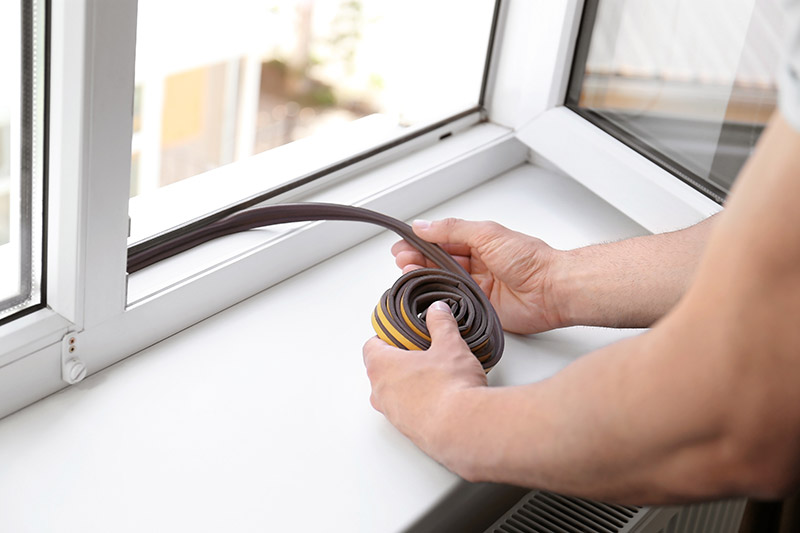
- Seal Air Leaks: Use caulk or weatherstripping around windows, doors, and electrical outlets. Even small gaps can let in drafts that force your heating or cooling system to work harder. A tube of caulk costs just a few dollars and can save you hundreds in energy costs over time.
- Insulate Attic Hatches and Pull-Down Stairs: These often-overlooked areas are major culprits for heat loss. Install a foam board or insulated cover over attic hatches to block air leaks. You can make one yourself using rigid foam insulation and a few basic tools.
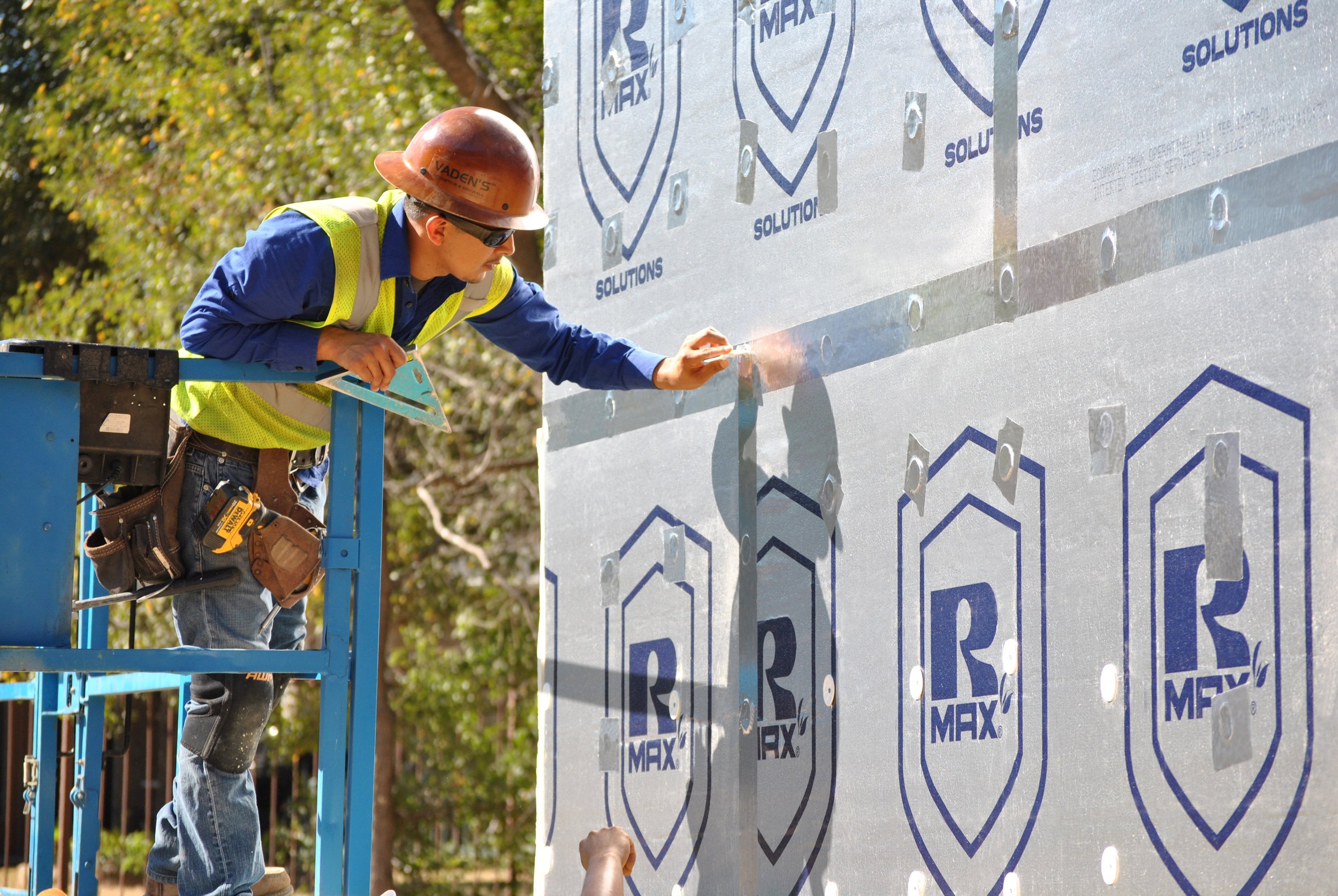
- Use Reflective Insulation in Unfinished Spaces: Reflective foil insulation works well in garages, basements, and attics with exposed beams. It reflects radiant heat away from your home in summer and retains warmth in winter. It’s lightweight, easy to install, and far cheaper than traditional insulation materials.
- Add Rugs and Carpets: If your floors feel cold, thick rugs or carpets can act as natural insulators. They add a layer of warmth and reduce heat loss through wooden or tiled floors, especially in rooms above unheated basements or garages.
Shop Smart: Where to Find Affordable Insulation Materials
High-quality insulation doesn’t have to come with a high price tag. With a little savvy shopping, you can source materials at a fraction of the retail cost. Consider these options:
- Buy in Bulk or During Sales: Home improvement stores often run seasonal sales on insulation materials like fiberglass batts, mineral wool, or spray foam. Check flyers, websites, and clearance sections for discounted prices. Buying in bulk can also lower costs per square foot.
- Check Habitat for Humanity ReStores: These nonprofit stores sell gently used building materials, including insulation, at deeply discounted prices. You’ll find rolls of fiberglass, foam boards, and even recycled denim insulation at a steal. Plus, you’re supporting a good cause.
- Look for Government or Utility Rebates: Many local governments and utility companies offer rebates or tax credits for energy-efficient home improvements. These programs can cover a portion of your insulation costs or provide free or low-cost energy audits to identify problem areas.
- Use Salvaged or Recycled Materials: Some communities have recycling centers that accept old insulation or construction scraps. If you’re comfortable with upcycling, you might find usable materials for free or at minimal cost. Just ensure they’re in good condition and free from mold or pests.
Focus on High-Impact, Low-Cost Areas First
Not all insulation upgrades deliver the same return on investment. Prioritize areas where improvements will have the biggest impact on your comfort and energy bills. Start with these cost-effective focal points:
- Attic Insulation: Heat rises, so the attic is one of the most critical areas to insulate. Adding or upgrading attic insulation can reduce heating costs by up to 20%. Focus on the attic floor first, as this is where most heat loss occurs.
- Basement and Crawl Space: Uninsulated basements and crawl spaces let in cold air and moisture, which can affect the entire house. Use rigid foam boards or spray foam to insulate walls, and don’t forget to seal any cracks or gaps.
- Window Treatments: Heavy curtains, thermal blinds, or window films can act as secondary insulation. They block drafts and reduce heat transfer, especially on north-facing windows. Look for products with a high R-value for maximum effectiveness.
- Doors and Thresholds: Replace old, drafty doors with energy-efficient models or add a door sweep to seal gaps. For exterior doors, consider a storm door, which creates an extra barrier against the elements.
Leverage Energy-Efficient Upgrades for Dual Benefits
Some home improvements serve double duty by improving insulation while enhancing other aspects of your home. These upgrades can be more expensive upfront but often pay for themselves through energy savings and increased comfort. Consider the following:
- Install a Smart Thermostat: A programmable or smart thermostat helps regulate indoor temperatures more efficiently, reducing the strain on your heating and cooling systems. Pair it with proper insulation, and you’ll see even greater energy savings.
- Upgrade to Double-Glazed or Triple-Glazed Windows: If your windows are old and drafty, replacing them with energy-efficient models can drastically cut heat loss. Look for windows with low-emissivity (Low-E) coatings and gas fills for better insulation properties.
- Add Exterior Shading: Awnings, shutters, or even strategically planted trees can reduce solar heat gain in summer, lowering the need for air conditioning. In winter, these features can act as windbreaks to protect your home from cold drafts.
- Seal Ductwork: Leaky ducts can waste up to 30% of your home’s heated or cooled air. Use duct sealant or metal-backed tape to close gaps and improve airflow. Focus on ducts in unconditioned spaces like attics, basements, or crawl spaces.
Learn from Others: Community and DIY Resources
You’re not alone in your quest to save on insulation costs. Tapping into community knowledge and DIY resources can provide invaluable tips and tricks. Join local home improvement groups on social media, forums like Reddit’s r/HomeImprovement, or attend workshops at hardware stores. Many communities offer free or low-cost energy-saving workshops where experts share practical advice. Online tutorials and YouTube videos can also walk you through step-by-step processes for insulation projects, from sealing gaps to installing foam boards.
Long-Term Savings: Invest in Quality Where It Counts
While it’s important to save money upfront, some insulation investments are worth the extra cost because they pay off in the long run. Focus your budget on areas that offer the best return on investment, such as:
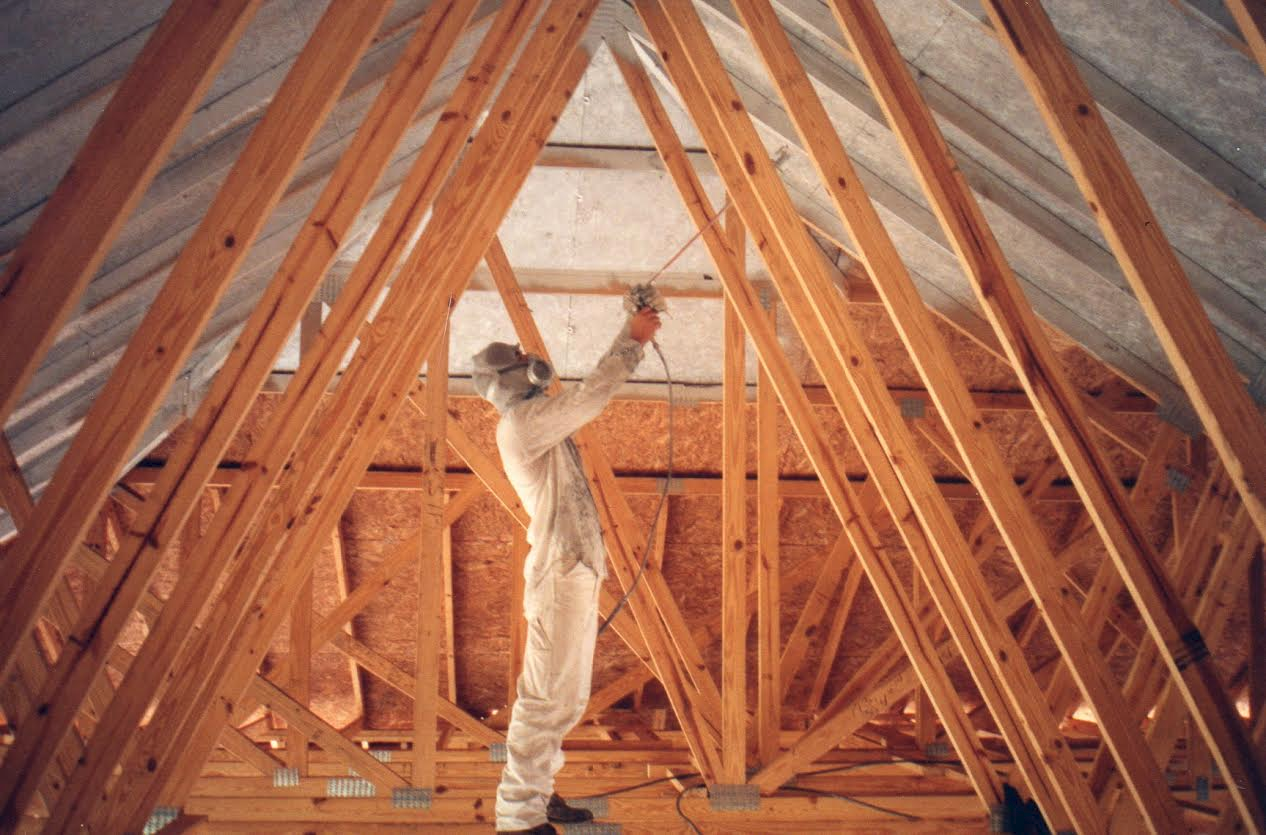
- Spray Foam for Hard-to-Reach Areas: Spray foam insulation is more expensive than fiberglass or cellulose, but it provides superior air sealing and insulation in tight spaces like rim joists, around pipes, and in irregularly shaped areas. Its high R-value and ability to expand and fill gaps make it a worthwhile investment.
- Blown-In Insulation for Existing Walls: If your walls are uninsulated, blown-in insulation (like cellulose or fiberglass) can be injected through small holes drilled into the wall. While the process requires professional installation, it’s often cheaper than removing drywall to add insulation.
- Radiant Barriers for Hot Climates: In regions with intense summer heat, radiant barriers installed in the attic can reflect radiant heat away from your home. They’re relatively inexpensive and can significantly reduce cooling costs.
Final Thoughts: Balance Cost and Comfort Wisely
Saving on insulation costs doesn’t mean settling for a drafty, uncomfortable home. By combining DIY projects with smart shopping, prioritizing high-impact areas, and leveraging community resources, you can create a well-insulated, energy-efficient home without overspending. Start small with sealing air leaks and adding reflective insulation, then gradually invest in larger upgrades as your budget allows. Remember, the goal is to find the right balance between affordability and comfort—your home (and your energy bills) will thank you for it.