
The Art of Garden Design: Crafting an Outdoor Masterpiece
Gardens are more than just patches of green—they are living canvases where creativity and nature merge to shape spaces that inspire, relax, and energize. Whether you have a sprawling backyard or a modest balcony, the secret to a stunning garden lies in thoughtful design. Beyond aesthetics, a well-planned garden can improve mental well-being, increase property value, and even become a sanctuary for wildlife. But how do you transform an ordinary outdoor space into something extraordinary? The answer lies in exploring unique garden styles, understanding the interplay of elements, and tailoring your vision to your lifestyle. This guide uncovers the secrets behind breathtaking garden designs, offering inspiration and practical tips to help you reimagine your outdoor area.
Why Style Matters: Finding Your Garden’s Personality
A garden’s style sets the tone for its entire character. Just as interior design reflects personal taste, your garden should mirror your preferences, values, and the way you intend to use the space. Some designs emphasize structure and order, while others celebrate wild, untamed beauty. Your choice of style will influence plant selection, layout, color schemes, and even the materials you incorporate. Whether you’re drawn to the structured elegance of a formal garden or the relaxed charm of a cottage garden, defining your style is the first step toward creating a cohesive and meaningful outdoor sanctuary.
Exploring Garden Design Styles: From Classic to Contemporary
1. Formal Gardens: Symmetry and Elegance
Formal gardens are all about precision, symmetry, and balance. Characterized by geometric shapes, clipped hedges, and meticulously pruned topiary, these gardens exude a sense of order and sophistication. Think Versailles-inspired landscapes with long, straight pathways, neatly trimmed lawns, and symmetrical flower beds. Lavender, boxwood, and roses are common choices, often arranged in patterns or along axes. While labor-intensive to maintain, formal gardens make a bold statement and are ideal for those who appreciate classical beauty and structured environments.
2. Cottage Gardens: Rustic Charm and Whimsy
Cottage gardens are the antithesis of formality, bursting with color, texture, and a sense of joyful abandon. Originating in English countryside homes, these gardens blend perennials, annuals, herbs, and shrubs in a seemingly random yet harmonious arrangement. Rambling roses, foxgloves, delphiniums, and hollyhocks tumble over fences and pathways, creating a lush, romantic atmosphere. Paths are often winding and made from natural materials like gravel or flagstone. Cottage gardens thrive on spontaneity and a mix of old-world charm with practicality—perfect for homeowners who love a relaxed, lived-in feel.
3. Japanese Zen Gardens: Serenity and Mindfulness
Japanese Zen gardens, or *karesansui*, are designed to evoke peace, contemplation, and harmony with nature. These minimalist spaces often feature carefully raked sand or gravel, symbolic rock formations, moss, and pruned trees like Japanese maples or pines. Water elements, such as small ponds or bamboo fountains, may also be included to enhance the meditative ambiance. Every element in a Zen garden serves a purpose—whether to represent mountains, rivers, or islands—encouraging mindfulness and mental clarity. Ideal for small urban gardens or meditation nooks, these designs prioritize simplicity and the interplay of natural textures.
4. Mediterranean Gardens: Warmth and Vibrancy
Mediterranean gardens capture the essence of coastal southern Europe, where olive trees, lavender, rosemary, and bougainvillea thrive under abundant sunshine. These gardens are vibrant, aromatic, and drought-tolerant, relying on plants that love heat and well-drained soil. Terracotta pots, mosaic tiles, and stone pathways are common features, adding to the rustic yet refined aesthetic. Water elements like fountains or reflecting pools are often incorporated to cool the air and create a sensory oasis. Mediterranean gardens are perfect for warm climates and those who love a lively, sun-drenched outdoor space with a touch of old-world charm.
5. Modern Minimalist Gardens: Clean Lines and Functionality
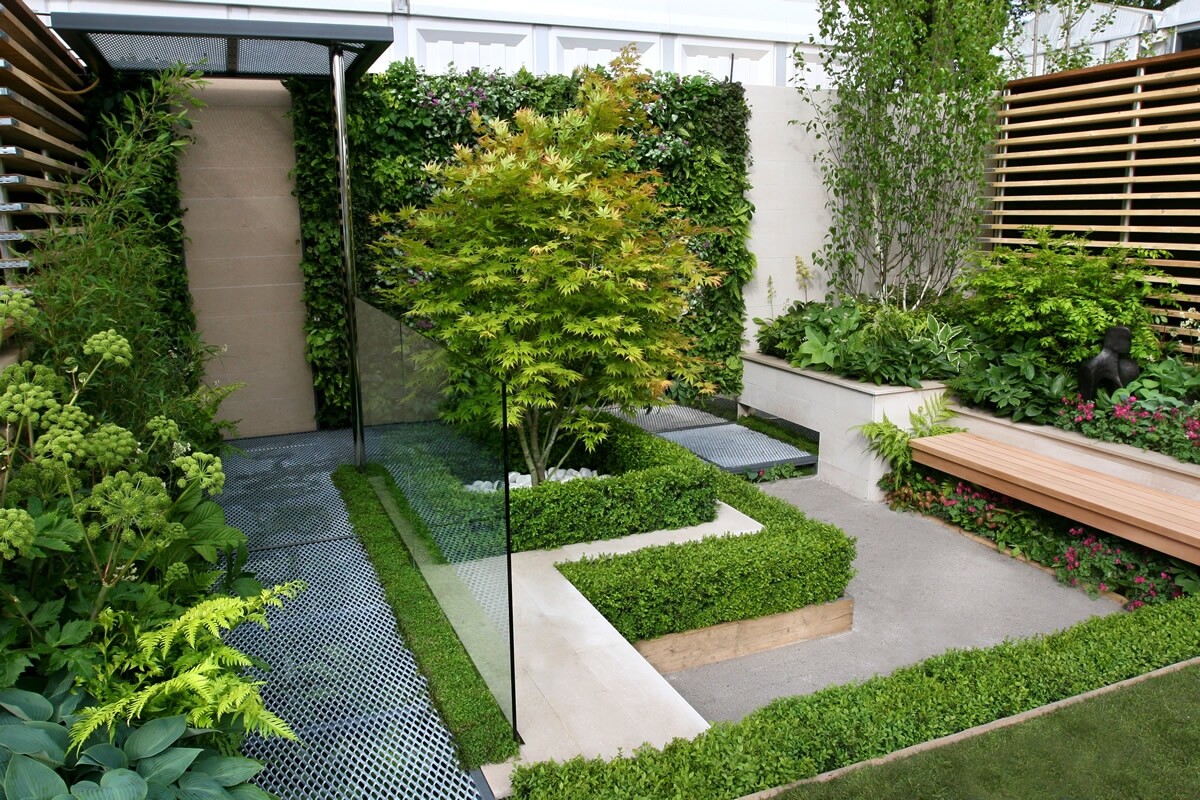
Minimalist gardens strip away excess to celebrate clean lines, open spaces, and functional beauty. These contemporary designs often feature sleek hardscapes—concrete, steel, or smooth stone—paired with structured plants like ornamental grasses or clipped boxwood. Color palettes are restrained, focusing on greens, whites, and blacks, with occasional pops of bold hues. The emphasis is on utility as much as aesthetics, with integrated seating, outdoor kitchens, or sustainable rainwater systems seamlessly woven into the design. Ideal for urban dwellers or those who appreciate understated elegance, minimalist gardens offer a tranquil retreat from the chaos of daily life.
6. Wildlife Gardens: Nurturing Biodiversity
In an era of environmental awareness, wildlife gardens are gaining popularity as spaces that support local ecosystems. These gardens prioritize native plants that attract pollinators like bees and butterflies, as well as birds and beneficial insects. Features like birdhouses, small ponds, log piles, and wildflower meadows create habitats that foster biodiversity. Avoiding pesticides and synthetic fertilizers not only benefits wildlife but also promotes a healthier garden overall. Wildlife gardens are a rewarding choice for eco-conscious individuals who want to contribute to conservation while enjoying the beauty of nature up close.
Essential Elements of Stunning Garden Design
Layering: Creating Depth and Dimension
Successful garden design relies on layering—arranging plants and materials in a way that creates visual depth and interest. Think of your garden as a three-dimensional space with a canopy of tall trees, mid-height shrubs, ground covers, and seasonal flowers. This layering not only adds texture but also ensures year-round appeal as different layers bloom or change color with the seasons. Incorporate vertical elements like trellises, arbors, or climbing plants to draw the eye upward and maximize space, especially in smaller gardens.
Color Theory: Crafting Emotional Responses
Color plays a powerful role in shaping the mood of your garden. Warm colors like reds, oranges, and yellows evoke energy and passion, making them ideal for focal points or areas where you entertain. Cool colors such as blues, purples, and whites create a calming atmosphere, perfect for relaxation zones. Complementary colors (those opposite each other on the color wheel) can create vibrant contrasts, while analogous colors (adjacent hues) offer a harmonious look. Consider the psychological impact of color when planning your palette—blue and green shades promote tranquility, while bold reds can stimulate conversation.
Texture and Form: Adding Visual Interest
Beyond color, the texture and form of plants and materials contribute to a garden’s richness. Mix coarse-textured plants like hostas or ferns with fine-textured ones like ornamental grasses or dusty miller for contrast. Vary plant shapes—round, spiky, weeping, or columnar—to create dynamic silhouettes against the sky. Incorporate hardscape elements with different textures, such as rough stone, smooth pebbles, or weathered wood, to add tactile variety. Texture is especially important in garden photography and when viewed up close, adding layers of sensory delight.
Practical Tips for Transforming Your Outdoor Space
Start with a Plan: Sketch Your Vision
Before digging or planting, sketch a rough plan of your garden. Consider the sun exposure, soil type, drainage, and wind patterns in your space. Mark areas for seating, pathways, water features, and planting beds. Think about how you’ll use the garden—will it be a dining area, a meditation spot, or a playground? Your design should reflect your lifestyle and needs. Tools like graph paper, digital design apps, or even a simple mood board can help visualize your ideas before committing to physical changes.
Choose the Right Plants for Your Climate
Not all plants thrive in every environment. Research native and well-adapted species that suit your climate, soil, and light conditions. Native plants are often low-maintenance and support local wildlife, while drought-tolerant varieties reduce the need for watering. Group plants with similar water and sunlight requirements together to simplify care and ensure they flourish. Also, consider the mature size of plants to avoid overcrowding and frequent pruning. Seasonal interest is key—select a mix of plants that bloom at different times to maintain color and texture throughout the year.
Incorporate Hardscaping Thoughtfully
Hardscaping—non-living elements like patios, walls, and pathways—provides structure and functionality to your garden. Materials should complement your chosen style: rustic flagstone for a cottage garden, smooth concrete for a modern space, or aged brick for a Mediterranean feel. Ensure pathways are wide enough for comfortable movement and consider accessibility for all users. Lighting is another crucial aspect of hardscaping; solar-powered or low-voltage lights can highlight features and extend usability into the evening. Remember, hardscapes should enhance the garden, not dominate it.
Add Personal Touches: Art and Decor
A garden becomes truly unique when it reflects your personality. Incorporate decorative elements like sculptures, wind chimes, or handmade ceramics to add character. Mirrors can create the illusion of space in small gardens, while a small water feature adds soothing sounds. Consider DIY projects like painted pots, mosaic stepping stones, or a repurposed bench to infuse creativity. Even functional items like a birdbath or a fire pit can serve as focal points while inviting interaction with nature. Personal touches make your garden feel like an extension of your home and spirit.
Sustainability: Design with the Planet in Mind
Eco-friendly garden design is not only responsible but also cost-effective in the long run. Opt for permeable paving to reduce runoff, install a rainwater harvesting system, and choose drought-resistant plants to conserve water. Composting kitchen scraps enriches soil naturally, while organic mulch suppresses weeds and retains moisture. Avoid invasive species that can disrupt local ecosystems and prioritize native plants to support pollinators and beneficial insects. Solar lights, recycled materials, and upcycled furniture further reduce your environmental footprint. A sustainable garden is a living testament to harmony between human creativity and nature’s rhythms.
Common Mistakes to Avoid in Garden Design
Overcrowding Plants
It’s tempting to fill every inch of space with plants, but overcrowding can lead to competition for resources, poor air circulation, and increased susceptibility to pests and diseases. Follow spacing guidelines for each plant and allow room for growth. Over time, you can always add more plants or rearrange them as your garden matures. Less can often be more when it comes to density—focus on quality and balance rather than quantity.
Ignoring Maintenance Requirements
A stunning garden requires ongoing care, and ignoring the maintenance needs of your chosen plants can lead to disappointment. Some species demand frequent pruning, while others require specific soil conditions or protection from pests. Before selecting plants, assess your willingness and ability to provide the necessary upkeep. Group high-maintenance plants together in an accessible area to simplify care routines. Alternatively, opt for low-maintenance varieties if time is limited.
Neglecting Year-Round Appeal
Many gardeners focus solely on spring and summer blooms, forgetting that a garden should be beautiful in every season. Incorporate evergreens, plants with striking bark or berries, and those with winter interest like hellebores or witch hazel. Structural elements like ornamental grasses or deciduous trees with vibrant fall foliage ensure your garden remains visually compelling even in colder months. Plan for seasonal transitions to maintain year-round enchantment.
Bringing It All Together: Your Dream Garden Awaits
Designing a stunning garden is a journey of exploration, creativity, and connection with nature. By understanding different garden styles, mastering essential design principles, and tailoring your space to your needs, you can transform even the most ordinary outdoor area into a breathtaking retreat. Whether you’re drawn to the structured elegance of a formal garden, the wild romance of a cottage style, or the tranquil simplicity of a Zen space, the key is to infuse your personality and purpose into every decision. Start small if needed, experiment with plants and layouts, and allow your garden to evolve over time. With patience, passion, and a little planning, your outdoor space will become a sanctuary that delights the senses and nourishes the soul.
Now is the perfect time to begin. Grab a notebook, step outside, and start envisioning the garden of your dreams. The secrets to a stunning garden are simply waiting to be uncovered—one seed, one stone, one thoughtful design choice at a time.