
Introduction & Background
As energy costs rise and environmental concerns grow, homeowners are searching for smarter ways to stay warm without draining their wallets or harming the planet. Traditional heating systems work hard to keep indoor temperatures comfortable, but they often waste significant energy by letting heat escape through walls, windows, and roofs. The result is higher utility bills and a larger carbon footprint. Fortunately, smart home insulation offers a modern solution that combines efficiency, savings, and sustainability in one seamless package. By leveraging advanced materials and intelligent technologies, homeowners can create a cozy living space while reducing their environmental impact and saving money year-round.
Concept & Overview
Smart home insulation refers to high-performance insulation solutions that go beyond traditional materials like fiberglass or foam. These modern systems integrate cutting-edge technology, such as sensors, automated controls, and energy-efficient designs, to optimize thermal performance. Unlike standard insulation, which passively resists heat flow, smart insulation actively responds to changing indoor and outdoor conditions. It can adjust its insulating properties in real time, ensuring maximum energy retention when temperatures drop. This dynamic approach not only enhances comfort but also minimizes energy waste, making it an ideal choice for eco-conscious and cost-aware households.
Key Features & Highlights
- Dynamic Thermal Regulation: Smart insulation systems use embedded sensors to monitor indoor and outdoor temperatures. They automatically adjust their insulating properties to maintain stable indoor climates without overworking heating systems.
- Eco-Friendly Materials: Many modern insulation options are made from recycled or sustainable materials, such as cellulose, sheep’s wool, or aerogel. These reduce environmental impact while delivering superior thermal performance.
- Energy Monitoring & Reporting: Integrated smart meters track energy usage in real time, providing homeowners with detailed insights. This data helps identify inefficiencies and optimize heating schedules for maximum savings.
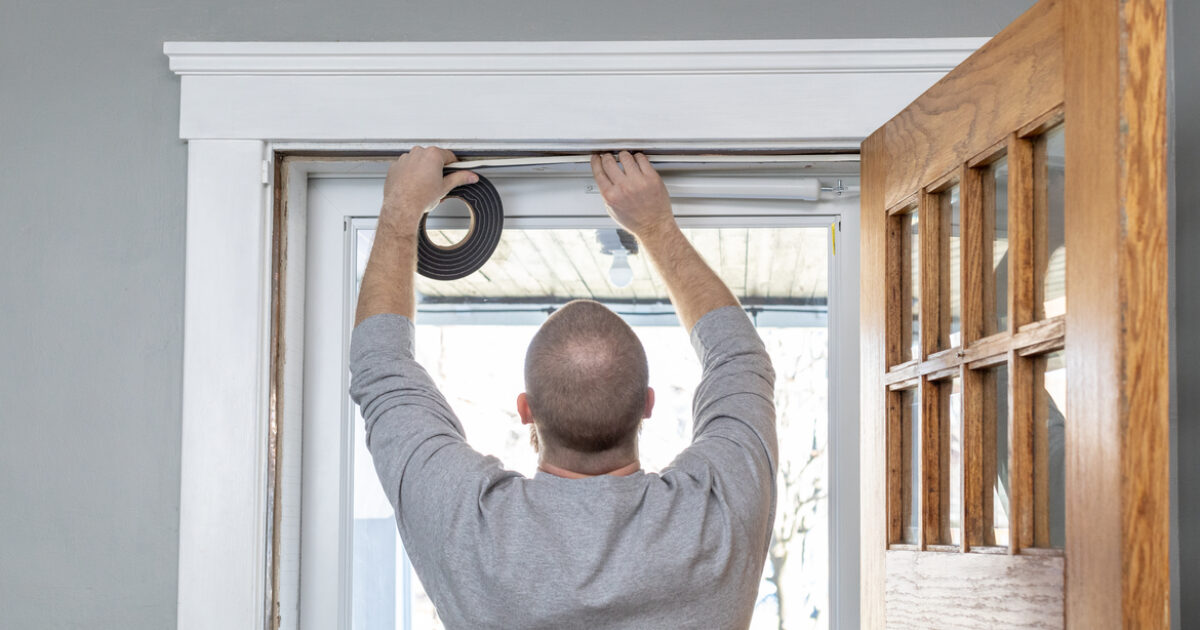
- Air Sealing & Moisture Control: High-quality smart insulation not only blocks heat loss but also prevents drafts and moisture buildup. This dual functionality improves indoor air quality and protects the home’s structural integrity.
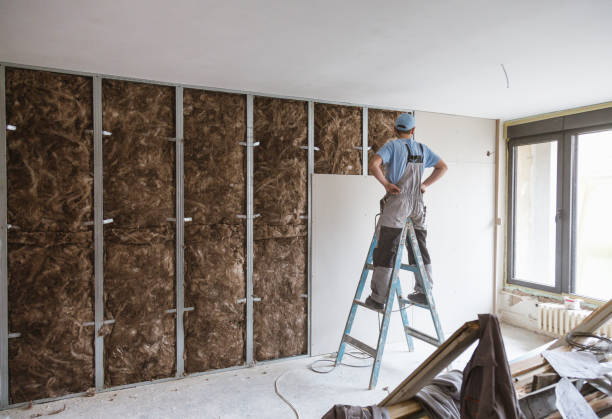
- Easy Retrofitting: Unlike bulky traditional insulation, many smart solutions are designed for easy installation. They can be added to existing homes without major renovations, making them accessible to a wide range of properties.
- Long-Term Durability: Smart insulation materials are resistant to wear, pests, and moisture, ensuring they maintain their effectiveness for decades. This longevity translates to sustained energy savings and reduced replacement costs.
Frequently Asked Questions / Pros & Cons
What is smart home insulation, and how does it differ from traditional insulation?
Smart home insulation uses advanced materials and technology to actively regulate heat flow, whereas traditional insulation relies on passive resistance. While standard insulation may settle or degrade over time, smart insulation adapts to changing conditions, providing consistent performance.
Can smart insulation really reduce energy bills significantly?
Yes. Studies show that proper insulation can cut heating and cooling costs by up to 30 percent. Smart insulation enhances this effect by optimizing performance in real time, leading to even greater savings.
Is smart insulation expensive to install?
Initial costs may be higher than traditional insulation due to technology integration, but the long-term savings on energy bills often offset the upfront expense within a few years. Additionally, many governments offer rebates or tax incentives for energy-efficient upgrades.
Does smart insulation require professional installation?
While some systems can be installed as DIY projects, professional installation ensures optimal performance. Experts can assess a home’s specific needs and customize the insulation to maximize efficiency and comfort.
Are there any downsides to smart insulation?
Potential drawbacks include higher upfront costs and the need for occasional maintenance, such as software updates or sensor calibration. Additionally, not all smart insulation systems are compatible with every home, so compatibility checks are essential.
Practical Guidance & Solutions
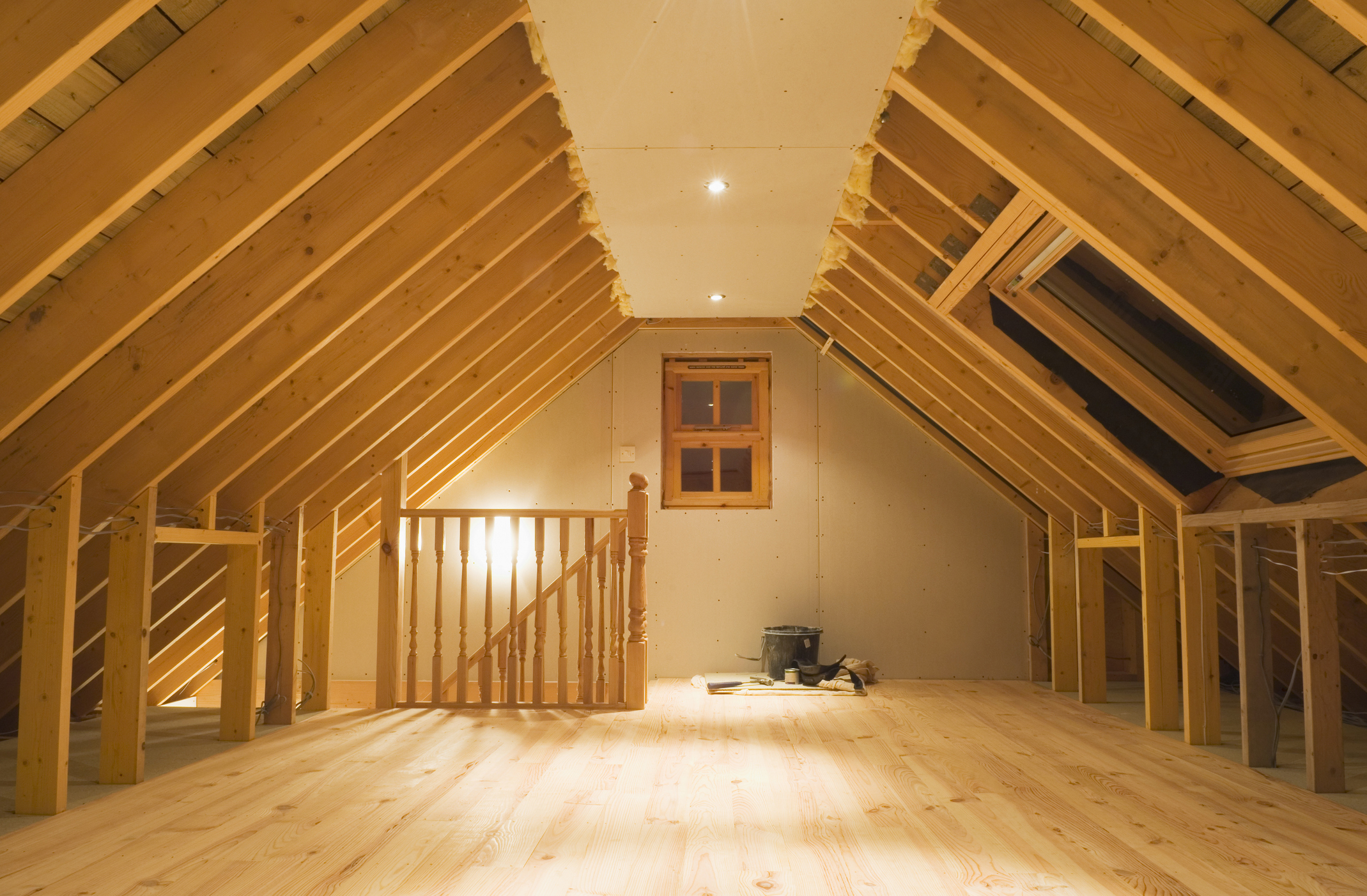
If you’re ready to upgrade your home with smart insulation, start by conducting an energy audit to identify areas of heat loss. Focus on attics, walls, and basements, as these are common culprits for energy waste. Next, research insulation types that align with your climate and budget. For example, aerogel insulation offers exceptional performance in extreme temperatures, while cellulose is a budget-friendly, eco-conscious option.
Consider integrating smart thermostats and humidity sensors to complement your insulation. These devices work together to create a responsive heating system that adapts to your lifestyle. When selecting a contractor, prioritize those with experience in smart home technologies to ensure seamless installation.
Finally, take advantage of financial incentives. Many utility companies and government programs offer rebates for energy-efficient upgrades. By combining smart insulation with these savings, you can reduce both your environmental footprint and your heating bills without delay.
Conclusion
Smart home insulation is more than just a trend: it’s a smart investment in comfort, savings, and sustainability. By embracing technology-driven solutions, homeowners can beat the chill of rising energy costs while contributing to a healthier planet. With benefits ranging from lower utility bills to reduced carbon emissions, this innovative approach proves that staying warm and eco-friendly can go hand in hand. Whether you’re building a new home or retrofitting an existing one, smart insulation offers a future-proof way to stay cozy without compromise.