
Introduction & Background
Gardens have always been a source of joy and tranquility, but whimsical wildflower gardens take that experience to a whole new level. Unlike traditional gardens that rely on meticulously arranged blooms and manicured hedges, wildflower gardens embrace a more natural, free-spirited aesthetic. They offer a chance to reconnect with nature while adding vibrant splashes of color and texture to your outdoor space. Whether you have a sprawling backyard or a small balcony, creating a whimsical wildflower garden can transform your environment into a playful, enchanting retreat. These gardens not only attract pollinators like bees and butterflies but also provide a sense of whimsy that reflects the beauty of the untamed world.
Concept & Overview
A whimsical wildflower garden is more than just a collection of flowers. It is a carefully curated blend of native and non-native species that thrive together in harmony. The core idea is to mimic the randomness and diversity found in nature, where flowers bloom in unexpected places, creating a sense of surprise and delight. This concept revolves around three key principles: spontaneity, diversity, and sustainability. Spontaneity encourages a relaxed, unstructured layout that lets flowers grow naturally, while diversity ensures a variety of colors, heights, and textures. Sustainability comes from choosing plants that require minimal maintenance and support local ecosystems. By following these principles, you can design a garden that feels alive, dynamic, and full of character.
Key Features & Highlights
- Natural Aesthetic: Wildflower gardens emphasize a rustic, organic look that blends seamlessly with the surrounding landscape. Think flowing drifts of color rather than rigid rows of flowers.
- Pollinator-Friendly: These gardens are havens for bees, butterflies, and other beneficial insects. The diverse plantings provide nectar and pollen throughout the growing season, supporting local wildlife.
- Low Maintenance: Once established, wildflower gardens require far less upkeep than traditional gardens. They are designed to thrive with minimal intervention, making them perfect for busy homeowners.
- Seasonal Interest: By selecting a mix of early, mid, and late-season bloomers, your garden will offer continuous color and texture from spring through fall.
- Drought Tolerance: Many wildflowers are adapted to local climates and require less water than conventional garden plants, reducing the need for irrigation and conserving resources.
- Educational Value: A wildflower garden can serve as a living classroom, teaching children and adults alike about native plants, pollinators, and the importance of biodiversity.
Frequently Asked Questions / Pros & Cons
What is the difference between a wildflower garden and a traditional garden?
Traditional gardens often feature cultivated plants arranged in precise patterns, while wildflower gardens prioritize a natural, unstructured look. Wildflower gardens rely on self-seeding plants that spread and evolve over time, creating a dynamic landscape that changes with each season. Traditional gardens require more frequent pruning, fertilizing, and pest control to maintain their appearance.
Can I grow a wildflower garden in a small space like a balcony or patio?
Absolutely. Even the tiniest outdoor space can accommodate a wildflower garden. Containers, hanging baskets, and window boxes are perfect for growing compact wildflower varieties. Choose dwarf species or those bred for small spaces, and ensure they receive adequate sunlight and water. A balcony garden filled with colorful blooms can be just as whimsical as a sprawling backyard garden.
Are wildflowers difficult to grow, or do they require a lot of care?
Wildflowers are generally low-maintenance, but they do have specific needs. The key is to select species that are native to your region, as they are already adapted to the local climate and soil conditions. Once planted, wildflowers typically require little more than occasional watering until they are established. After that, they thrive on their own with minimal care.
What are the pros and cons of growing a wildflower garden?
Pros:
- Encourages biodiversity and supports pollinators.
- Requires less water and fewer chemicals than traditional gardens.
- Provides a natural, low-maintenance landscape.
- Offers a unique, artistic aesthetic that stands out from conventional gardens.
Cons:
- Some wildflowers can spread aggressively and may need to be controlled to prevent them from taking over the garden.
- The natural, unstructured look may not appeal to those who prefer a tidy, manicured garden.
- Establishing a wildflower garden can take time, as some species may take a season or two to fully establish themselves.
How do I choose the right wildflowers for my garden?
Start by researching native wildflowers that thrive in your climate and soil type. Consider the amount of sunlight your garden receives and select plants accordingly. For example, sun-loving species like black-eyed Susans and coneflowers are ideal for bright, open areas, while shade-tolerant varieties like violets and foamflowers work well in woodland settings. Also, think about the height and spread of each plant to ensure they complement each other in your design.
Practical Guidance & Solutions
Creating a whimsical wildflower garden begins with planning and preparation. Start by assessing your outdoor space, noting the sunlight, soil type, and moisture levels. Choose a mix of annuals, biennials, and perennials to ensure continuous blooms and year-round interest. Prepare the soil by removing weeds and loosening the top layer to encourage seed germination. If planting from seed, scatter them evenly over the soil and lightly press them in, as most wildflower seeds need light to germinate. Water gently to avoid displacing the seeds.
For those who prefer a quicker solution, consider using wildflower seed mixes or plugs, which are young plants ready to be transplanted. Arrange your plants in drifts rather than rows to create a natural, flowing effect. Place taller species at the back of borders and shorter ones at the front to maximize visibility. Mulch lightly with organic material to retain moisture and suppress weeds, but avoid heavy mulching, as it can smother wildflowers.
Maintenance is minimal but important. Water newly planted seeds or plugs regularly until they are established, then reduce watering as the plants mature. Deadhead spent blooms to encourage prolonged flowering and prevent self-seeding if you prefer to control spread. In late fall, leave some seed heads and dead foliage in place to provide shelter for overwintering insects and birds. In spring, trim back dead growth to make room for new shoots.
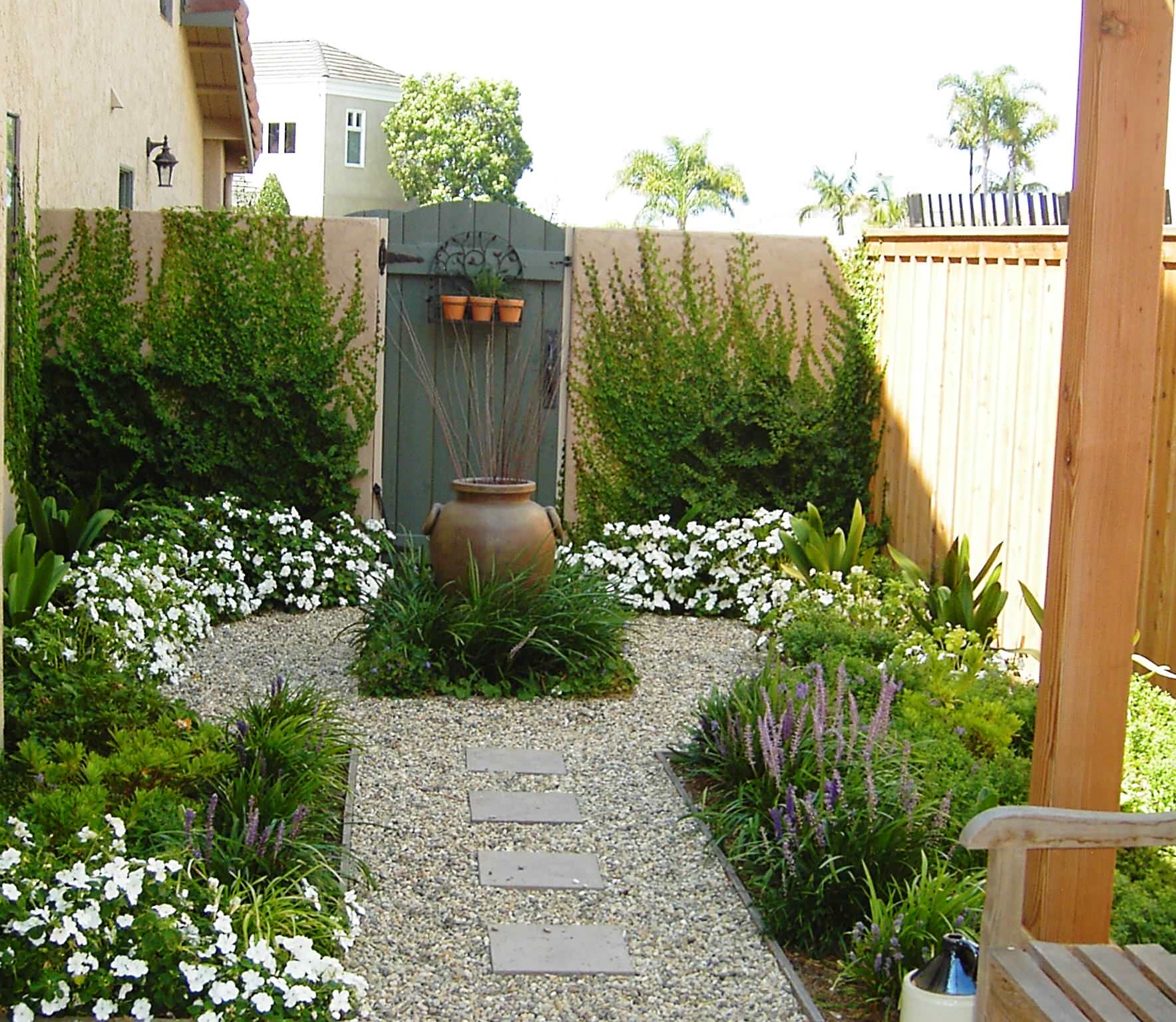
To add a whimsical touch, incorporate playful elements like garden ornaments, stepping stones, or a small bench nestled among the flowers. A winding path through the garden invites exploration and enhances the sense of discovery. Remember, the goal is to create a space that feels magical and alive, where every visit offers something new to admire.
Conclusion
A whimsical wildflower garden is more than just a collection of plants. It is a celebration of nature’s beauty and a testament to the joy of letting go of perfection. By embracing spontaneity, diversity, and sustainability, you can create an outdoor space that is as unique as you are. Whether you have a vast landscape or a tiny balcony, wildflower gardens offer endless possibilities for creativity and connection with the natural world. They invite pollinators, inspire curiosity, and bring a sense of wonder to everyday life. So, roll up your sleeves, scatter some seeds, and watch as your garden transforms into a living, breathing masterpiece of color and life. Your outdoor space will thank you, and so will the bees.